

 English
 русский
 عربى
عربى +86-15867355556
Stainless steel 304 flexible braided pipe combines the natural corrosion resistance of stainless ste...
Stainless Steel Corrugated Pipe OEM/ODM
Home / Products

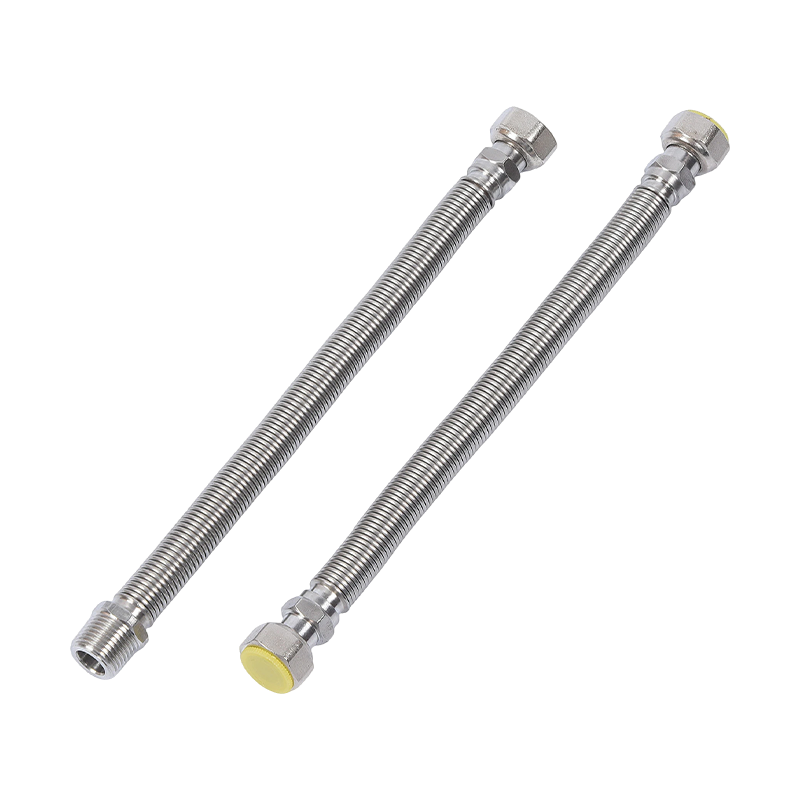
Stainless steel 304 flexible braided pipe combines the natural corrosion resistance of stainless ste...

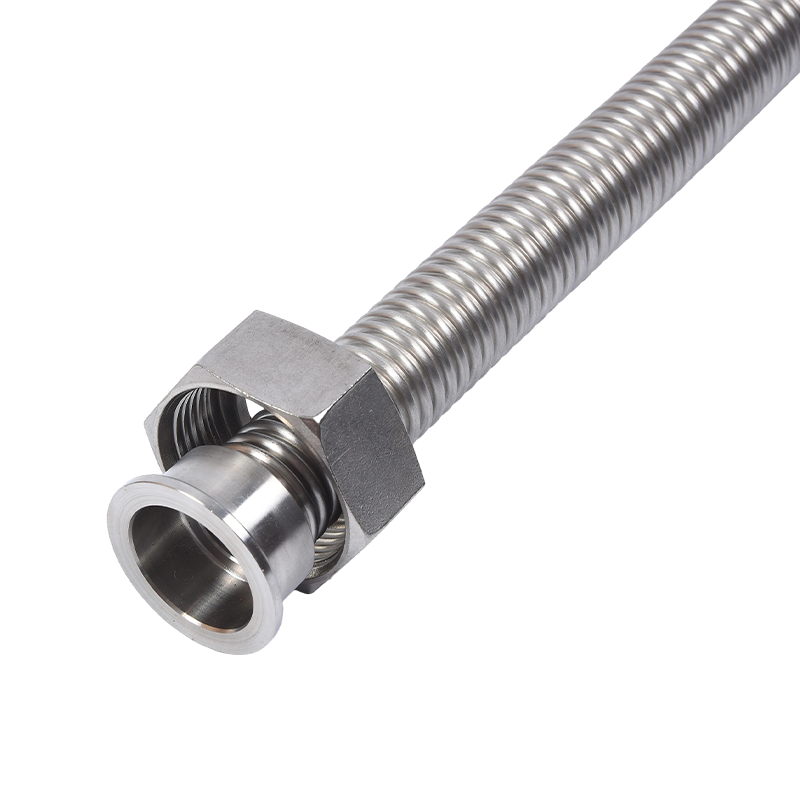
The stainless steel double-wire braided shower pipe is constructed from a multi-layer structure. Its...
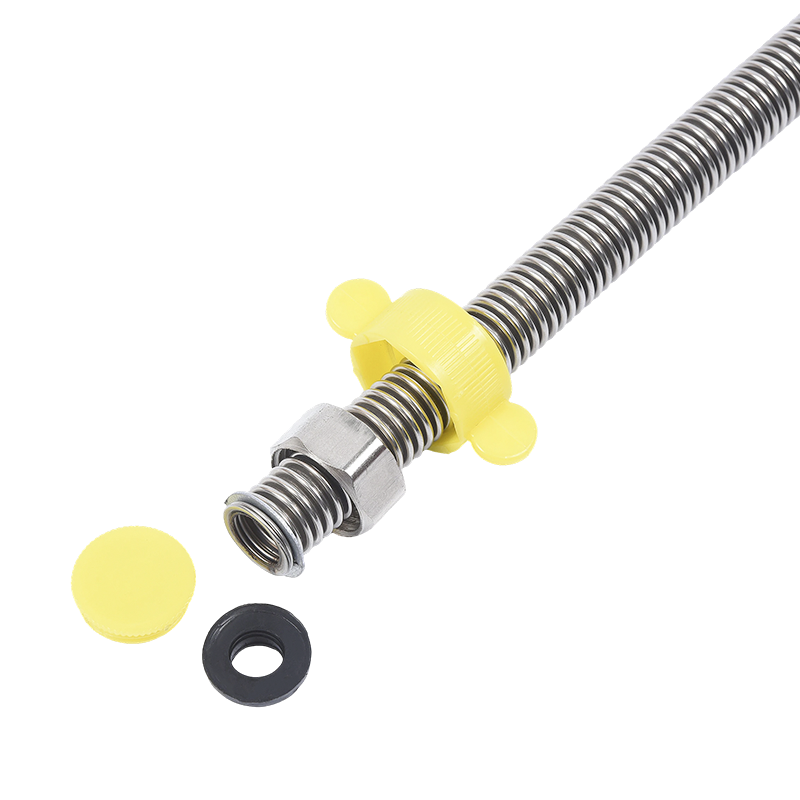
304 stainless steel corrugated pipe with wrench can maintain good performance in higher temperature ...
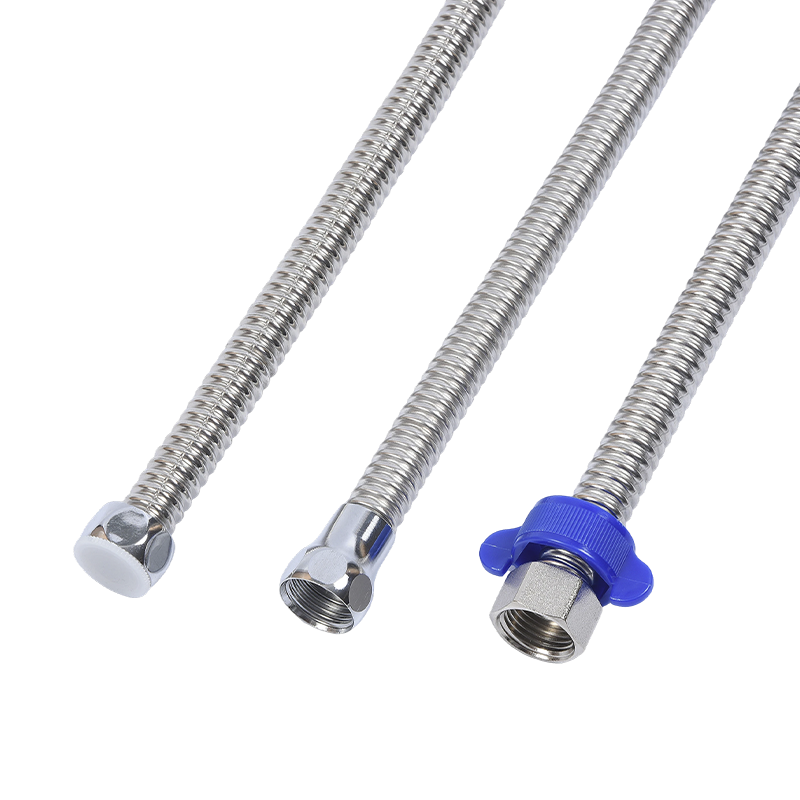
The stainless steel bathroom basin water heater pipe is a critical component designed to efficiently...
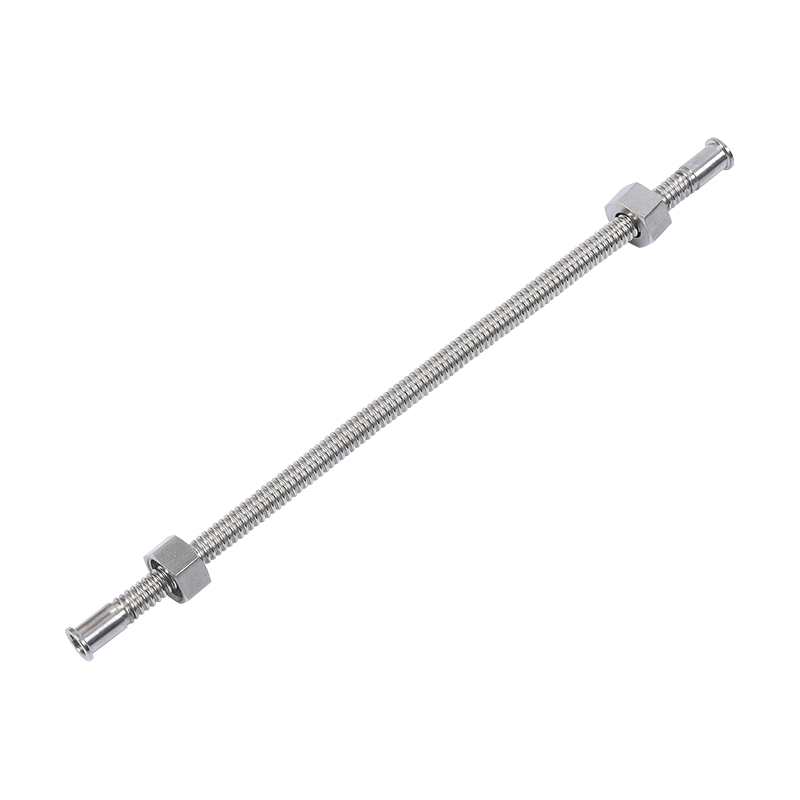
Stainless steel double-layer insulated shower pipes are primarily used in hot water supply systems i...
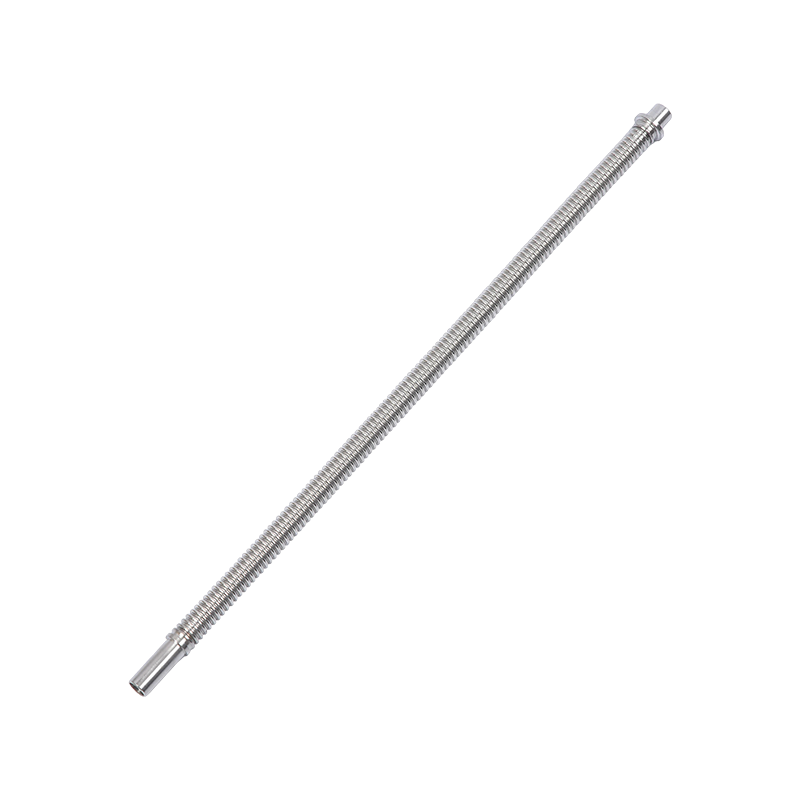
Stainless steel corrugated water heater connecting pipe is primarily used to connect water heaters t...
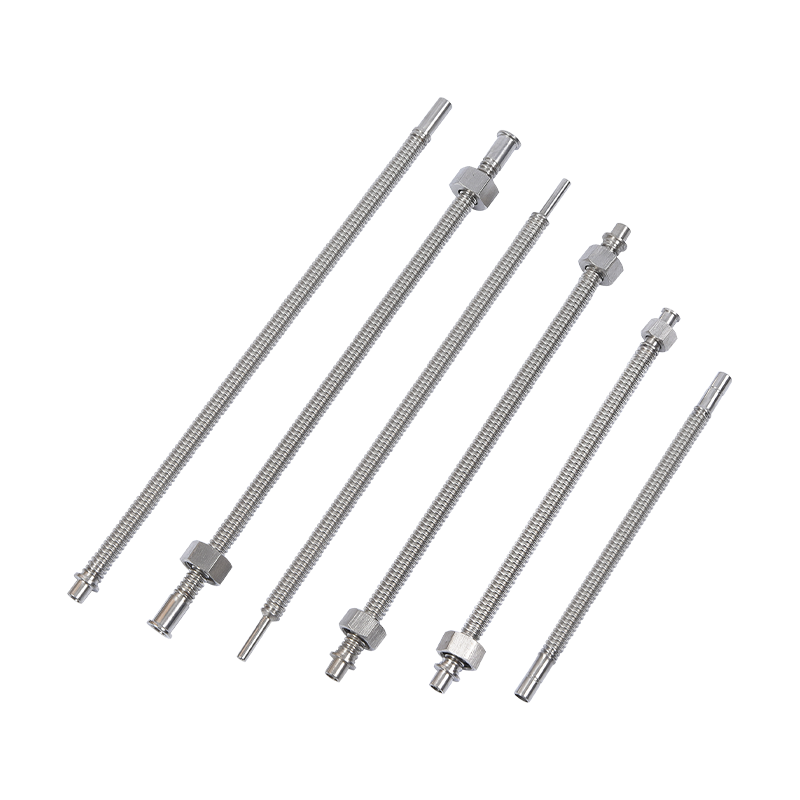
Stainless steel vacuum flexible corrugated pipe is designed for environments that need to withstand ...
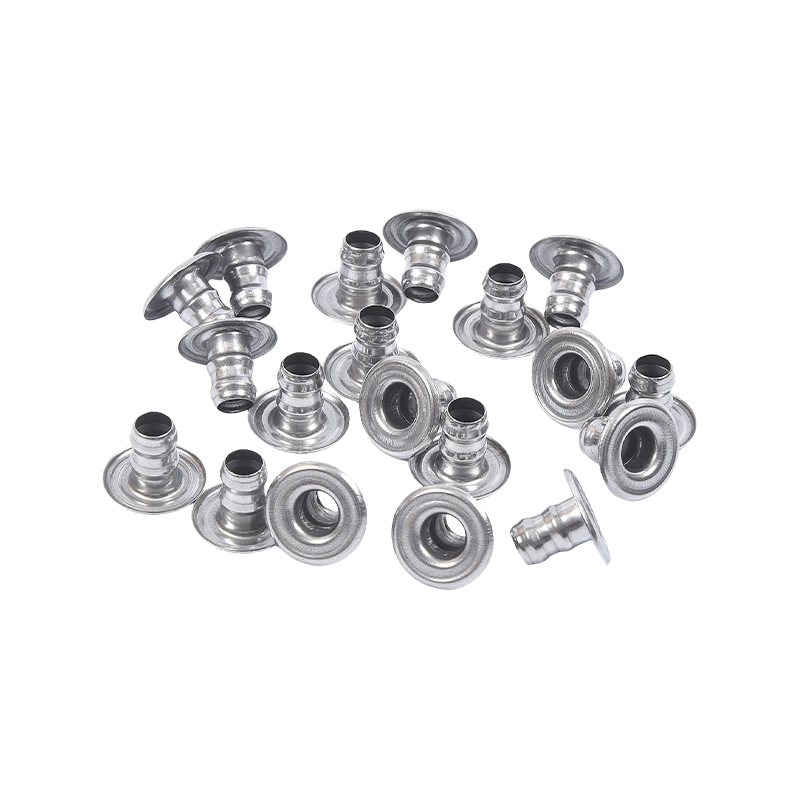
The stainless steel wire hose nut connector consists of a hose nut and a specialized wire wrap seal,...
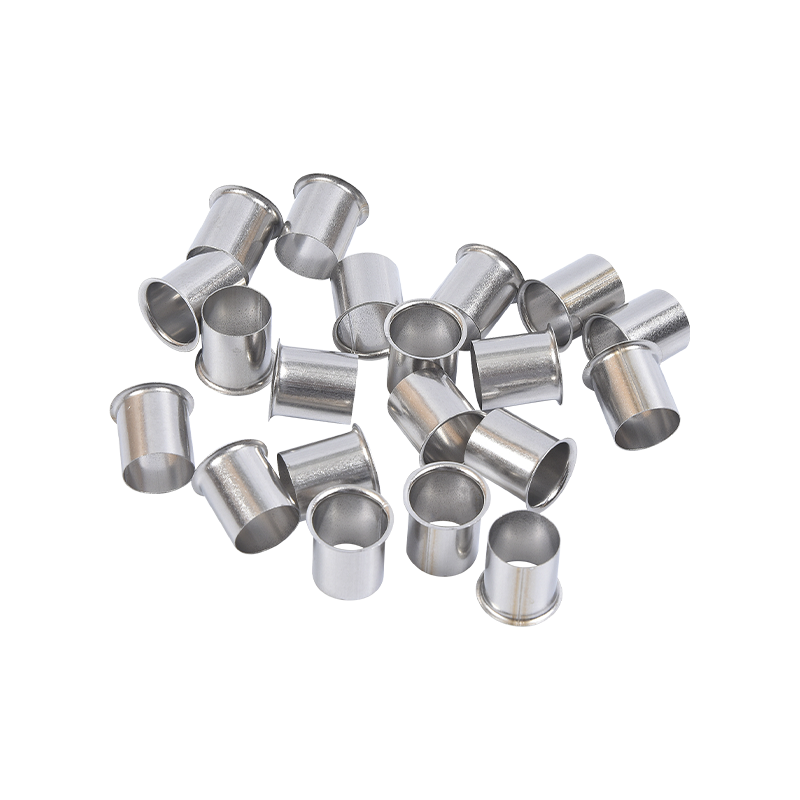
The stainless steel gas pipe crimping sleeve is a critical component of gas piping systems. It's des...
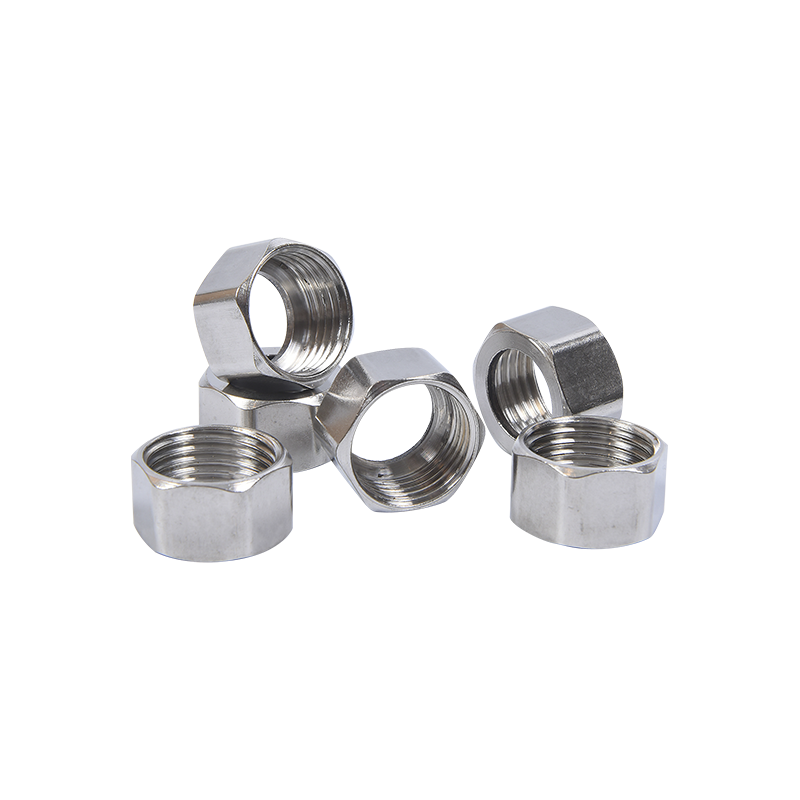
The stainless steel bellows internal thread hexagonal nut is a fastening component that combines the...
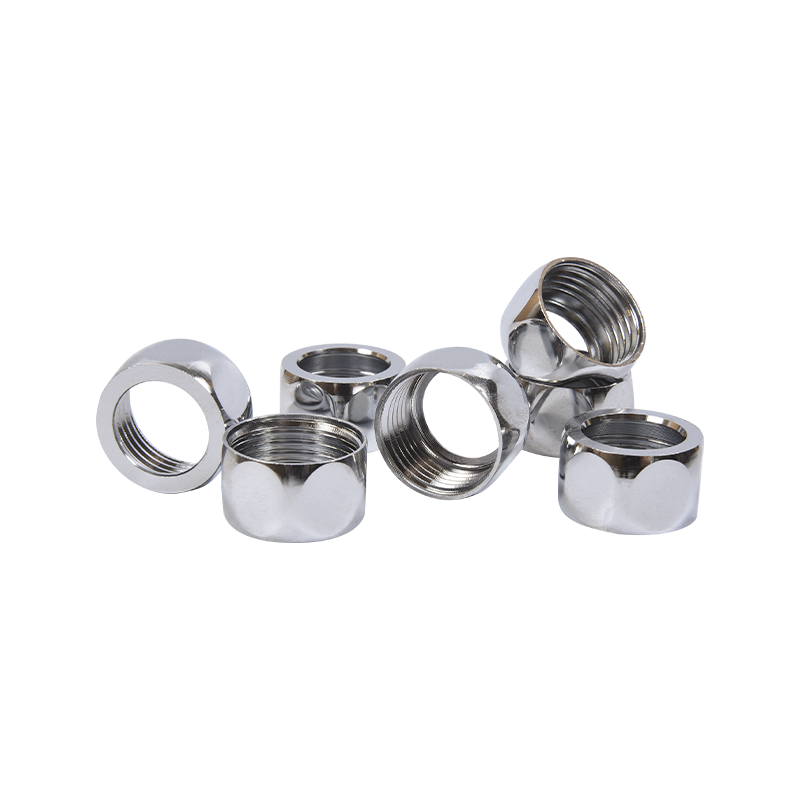
The stainless steel bellows hexagonal ball nut utilizes a ball bearing design that provides smoother...
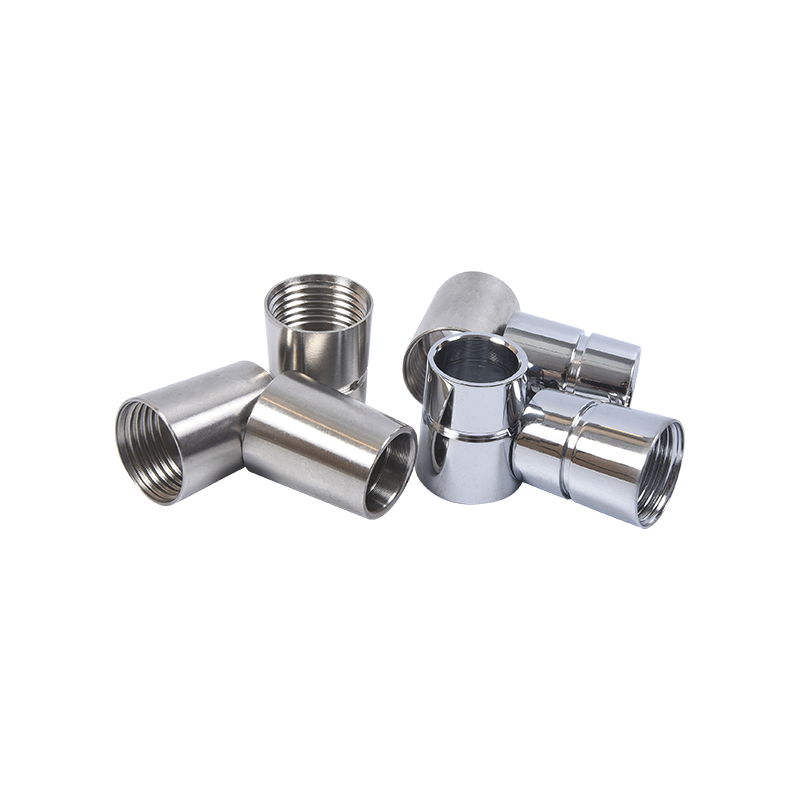
The primary function of a stainless steel female thread straight connector is to connect two externa...
As China Stainless Steel Corrugated Pipe Manufacturers and Corrugated Gas Hose Factory, Yuyao Boli Utilities Sometimes Company was founded in 2002 and is located in the Wu Ma Industrial Park of Yuyao City, Zhejiang Province, a relatively developed part of the industrial chain. The company specializes in producing stainless steel pipe corrugated pipe, gas pipe, heating pipe and other stainless steel pipe sanitary ware series, can also be produced according to customer requirements OEM processing, The factory covers an area of 17 acres, the company has 25 stainless steel corrugated pipe production lines, heat treatment and light reflame, cold beam manufacturing, steel belt division, laser automatic welding or marking, and ultrasonic cleaning equipment, and a complete team of strong research and development (sales). Promoting the steady development of the company's business, the company, based on the concept of "survival with quality, casting quality with heart," adheres to stable quality, reasonable prices and sound after-sales service, always provides good products and technical support to customers, continuously satisfying the needs of the vast majority of customers. The company employs more than 100 people, 5 senior engineers, has a construction area of more than 17,000 square meters, has more than 100 numerical cutting lathes, more than 20 polishing machines, several automatic welding machines, seamstresses, several automated drilling machines, five assembly lines, and so on. The product has formed a complete production management system from the bottoming--cleaning--polishing--assembly--inspection--out of the warehouse. At present, the leading series is produced, and product sales have covered many first- and second-line brands at home and abroad, and foreign trade orders have covered several countries and regions such as the Middle East and Europe. We have a good quality management system, better serve our customers, and contribute to the purification of water. Many customers are welcome to visit the company's laboratory.
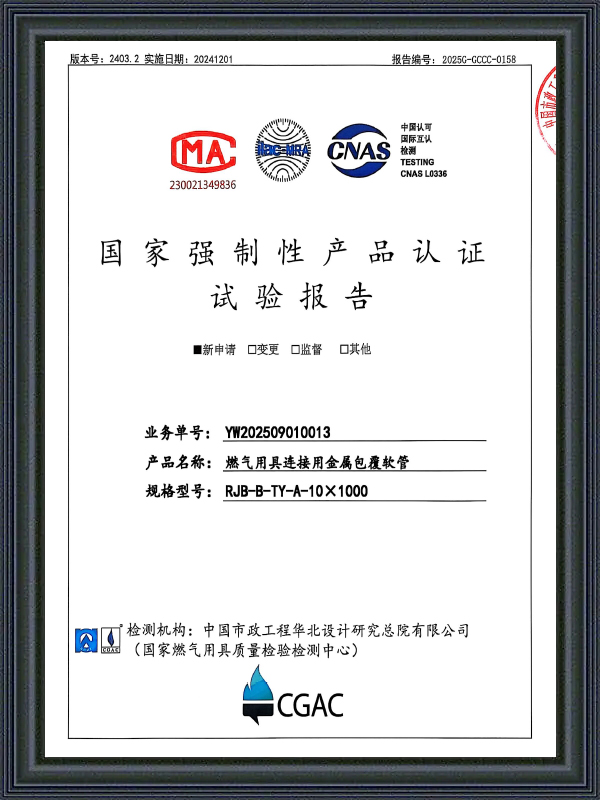
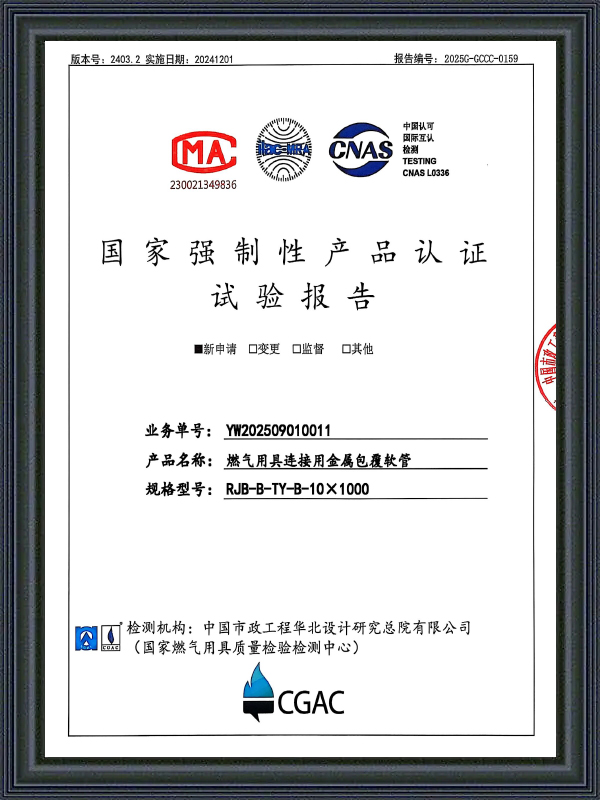
Stainless Steel Corrugated Pipe Combines Flexibility and Durability for Modern Plumbing Stainless steel corrugated plumbing pipe offers a rare combination of mechanical flexibility and long-term structural durability that rigid piping mate...

Stainless Steel Gas Pipes Significantly Improve Safety in Natural Gas and Propane Systems Stainless steel gas pipes, particularly corrugated stainless steel tubing (CSST), have become a preferred solution for natural gas and propane distri...
Stainless steel gas pipes are replacing traditional materials like black iron, copper, and galvanized steel primarily because they offer superior corrosion resistance, dramatically faster installation through flexible corrugated designs, an...
Choose corrugated stainless steel piping when flexibility, seismic movement, and fast installation matter most, and choose smooth-wall stainless steel piping when maximum flow efficiency, long straight runs, and the lowest possible pressure...
In modern industrial, heating, and gas distribution systems, the selection of piping material directly impacts long-term operational efficiency, installation costs, and system safety. While traditional rigid stainless steel pipes have been a industry standard for decades, technological advancements in manufacturing have elevated stainless steel corrugated pipes into a highly reliable and preferred alternative. Engineering-focused production facilities, such as Yuyao Boli Pipe Industry Ltd., leverage automated laser welding, specialized heat treatment, and bright annealing across multiple production lines to produce corrugated structures that resolve the mechanical limitations inherent in rigid piping configurations.
The primary structural distinction between the two piping systems lies in the geometric profile. Rigid stainless steel pipes require precise cutting, threading, or welding, alongside the integration of separate elbow fittings whenever a change in direction is required. Conversely, corrugated stainless steel pipes feature a continuous, wave-like profile that allows the material to bend manually or mechanically without collapsing the internal diameter or restricting fluid flow. This inherent flexibility allows technicians to route the piping around structural obstacles, through tight utility conduits, and across complex building layouts without the need for auxiliary directional joints. The reduction in geometric constraints minimizes mechanical stress concentration points that typically occur at sharp, rigid angles.
Every joint, coupling, thread, or weld in a fluid or gas transmission network introduces a statistical point of vulnerability for potential seal failure or pressure loss. Traditional rigid piping systems necessitate numerous connections to navigate structural variations within a facility. By utilizing continuous lengths of stainless steel corrugated pipe, installers can run seamless lines from the source supply directly to the termination point or sanitary ware fixture. Eliminating intermediate couplings significantly lowers the risk of long-term degradation at joint interfaces, which is a critical consideration in high-consequence applications such as gas distribution and high-pressure heating networks.
Industrial piping environments are frequently subject to thermal cycling, where temperature fluctuations cause materials to expand and contract. Rigid piping networks require the integration of specialized expansion loops or bellows to absorb these dimensional changes, failing which the system experiences high physical stress that can lead to structural cracking. Corrugated pipes naturally absorb axial and lateral thermal movement within their periodic geometric folds, distributing the stress evenly along the entire length of the tube. Furthermore, in installations connected to dynamic machinery, pumps, or heating equipment, structural vibrations can loosen rigid connections over time. The corrugated geometry acts as a natural dampener, dissipating mechanical vibrations and protecting the integrity of the connected equipment.
To evaluate the mechanical differences between these two piping methodologies, the following table outlines the standardized physical responses and structural characteristics inherent to each type under typical operating conditions.
| Performance Metric | Stainless Steel Corrugated Pipe | Rigid Stainless Steel Pipe |
| Structural Profile | Continuous periodic wave convolutions | Straight, smooth-walled cylindrical profile |
| Directional Alteration | Manual or mechanical bending without fittings | Requires elbows, welding, or threaded couplings |
| Vibration Absorption | High natural dampening within convolutions | Transmits vibrations directly to joint interfaces |
| Thermal Stress Response | Self-compensating expansion and contraction | Requires external expansion loops or joints |
| Material Continuity | Long continuous runs from single coils | Segmented fixed lengths requiring splicing |
The deployment of rigid stainless steel piping demands a high volume of ancillary components, including couplings, elbows, tees, and specialized sealing compounds or welding consumables. The logistical tracking, preparation, and assembly of these components require substantial labor hours and certified technical expertise on-site. Stainless steel corrugated pipes simplify the supply chain and installation process by reducing the bill of materials to the continuous pipe run and the terminal end fittings. The reduction in preparatory steps, such as measuring and cutting multiple short segments of rigid pipe, translates directly into reduced project timelines and lower overall installation labor requirements.
Gas delivery and heating systems require precise pressure containment and resistance to environmental degradation. Utilizing controlled manufacturing processes, including automated laser marking, ultrasonic cleaning, and bright annealing heat treatments, ensures that the metallurgical structure of corrugated pipes remains homogeneous and free of internal stresses. This level of manufacturing precision allows corrugated stainless steel lines to maintain uniform wall thickness throughout the convolutions, ensuring predictable burst pressure ratings and consistent flow dynamics. The clean interior surfaces achieved via ultrasonic processing prevent the accumulation of particulate matter, maintaining system cleanliness in sanitary and heating loops over extended operational lifecycles.
Q: How does the production capacity and equipment at the factory ensure the structural integrity of your Stainless Steel Corrugated Pipe?
A: The facility operates 25 specialized production lines equipped with automated laser welding, bright annealing heat treatment, and cold beam manufacturing. This advanced machinery ensures uniform wall thickness across all convolutions and eliminates internal material stresses, preventing micro-cracking and ensuring reliable pressure containment during long-term service.
Q: Can the technical parameters of the Stainless Steel Corrugated Pipe be customized for specific OEM requirements?
A: Yes, the integrated research and development team, supported by dedicated steel belt division and precision manufacturing equipment, allows for full customization. The pipe dimensions, convolution profiles, and end fittings can be engineered to match specific technical drawings and operational specifications provided by OEM clients.
Q: What measures are taken during manufacturing to guarantee that the corrugated pipes are suitable for sensitive gas and sanitary applications?
A: After the forming and laser welding processes, all corrugated pipes undergo an ultrasonic cleaning process. This thoroughly removes manufacturing lubricants, metal shavings, and surface contaminants from both the inner and outer walls, ensuring the pipes meet the cleanliness standards required for gas distribution and sanitary ware series.
Q: How do your heating pipes handle continuous thermal expansion compared to standard rigid piping?
A: The periodic wave profile of the corrugated structure allows the pipe to naturally absorb axial and lateral dimensional changes caused by temperature fluctuations. This self-compensating design eliminates the need for external expansion loops or joints, distributing thermal stress evenly and reducing the risk of fatigue failure in heating systems.
Q: In what ways do these corrugated pipes optimize installation efficiency in complex architectural layouts?
A: The continuous mechanical flexibility allows the piping to be routed manually around structural obstacles and through tight conduits without requiring separate elbow fittings or manual welding at every turn. This drastically reduces the total number of connection points, lowering potential leak risks and shortening onsite installation timelines.
Q: What processing step ensures the flexibility of the Stainless Steel Corrugated Pipe without compromising its strength?
A: Following the initial shaping, the pipes pass through a controlled heat treatment and bright annealing (light reflame) process. This metallurgical treatment restores the ductility of the stainless steel, allowing for repeated bending during installation while maintaining the required burst pressure resistance and structural durability.

Copyright © Yuyao Boli Pipe Industry Ltd. All Rights Reserved
