

 English
 русский
 عربى
عربى +86-15867355556
The 304 stainless steel universal cold and hot explosion-proof corrugated pipe is specifically desig...

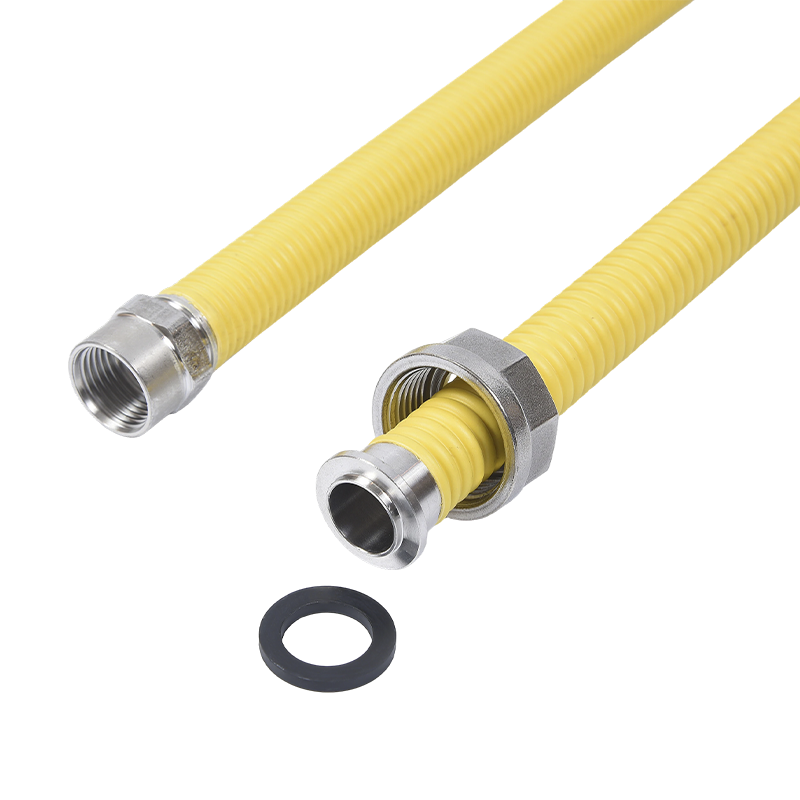
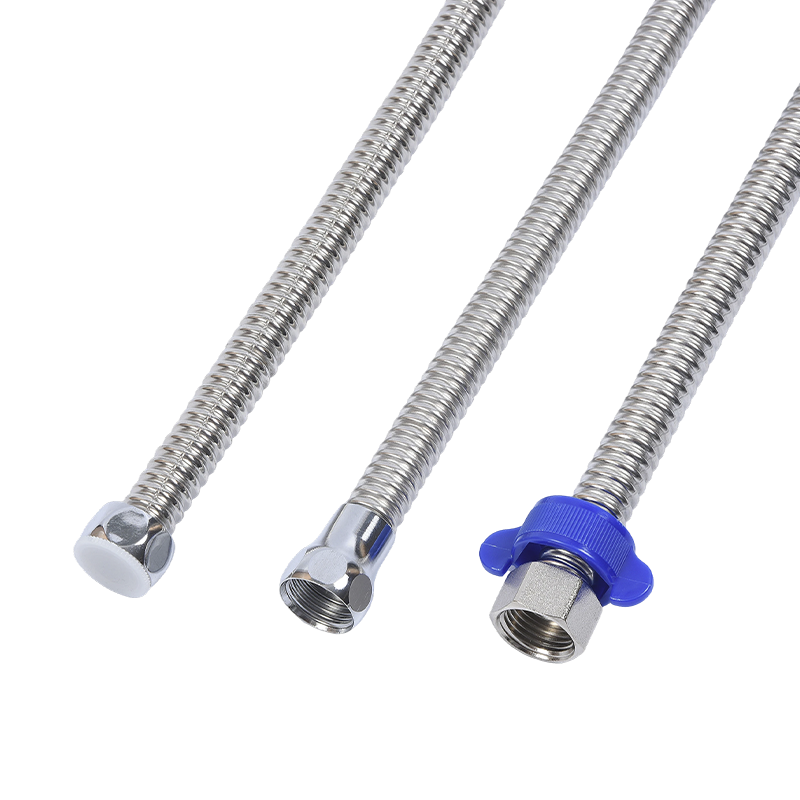
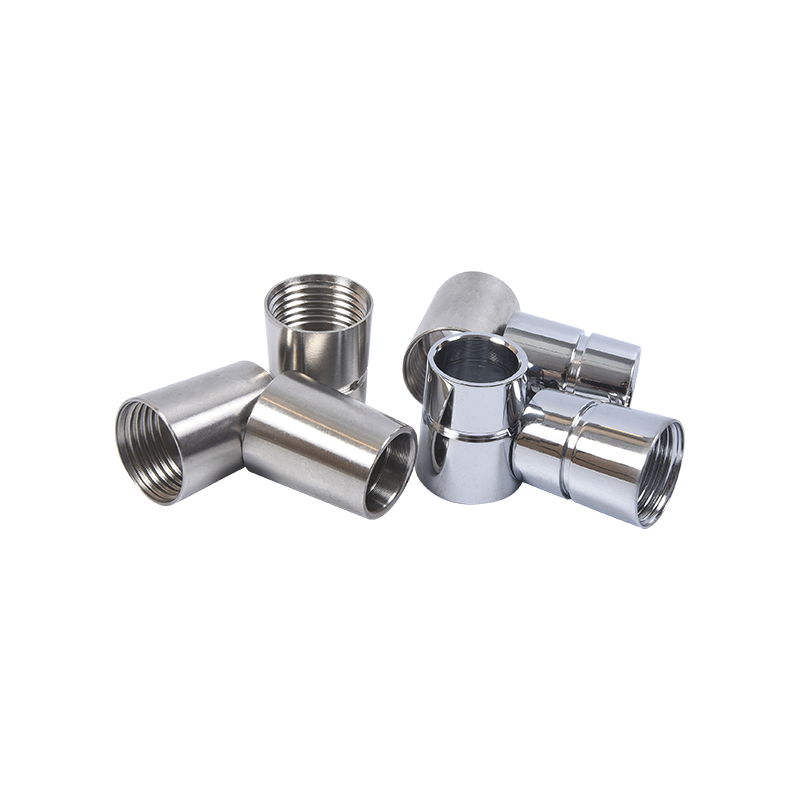
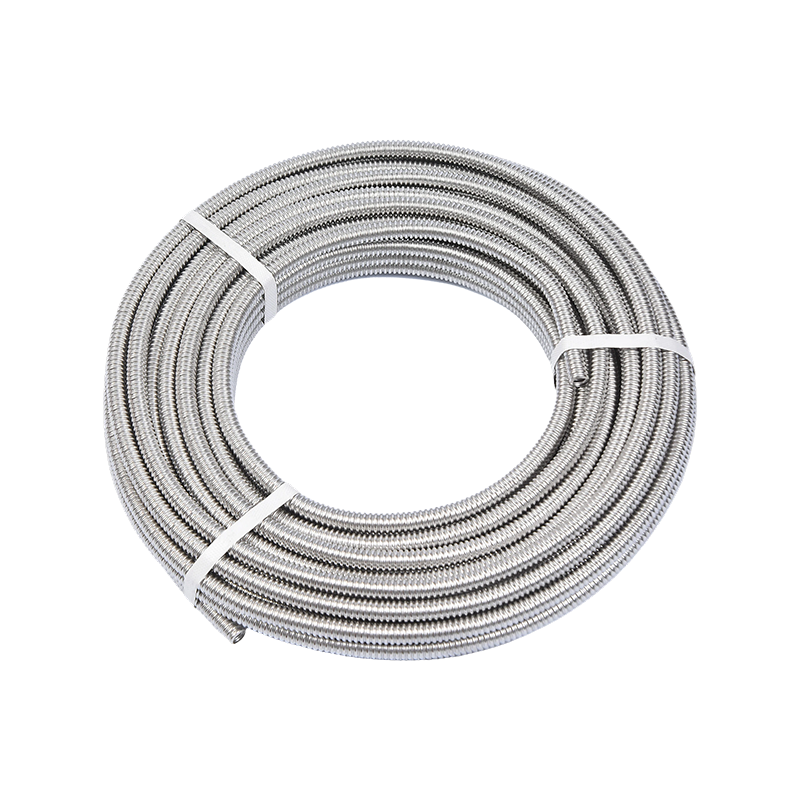
The 304 stainless steel universal cold and hot explosion-proof corrugated pipe is specifically desig...

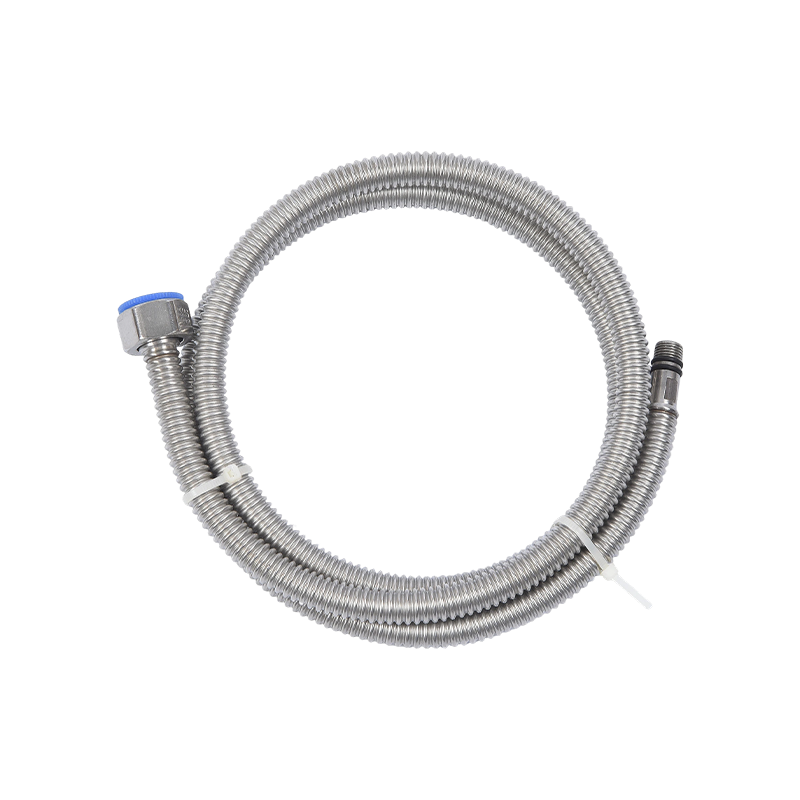
Designed to meet the specific demands of high-pressure, high-temperature environments, multifunction...
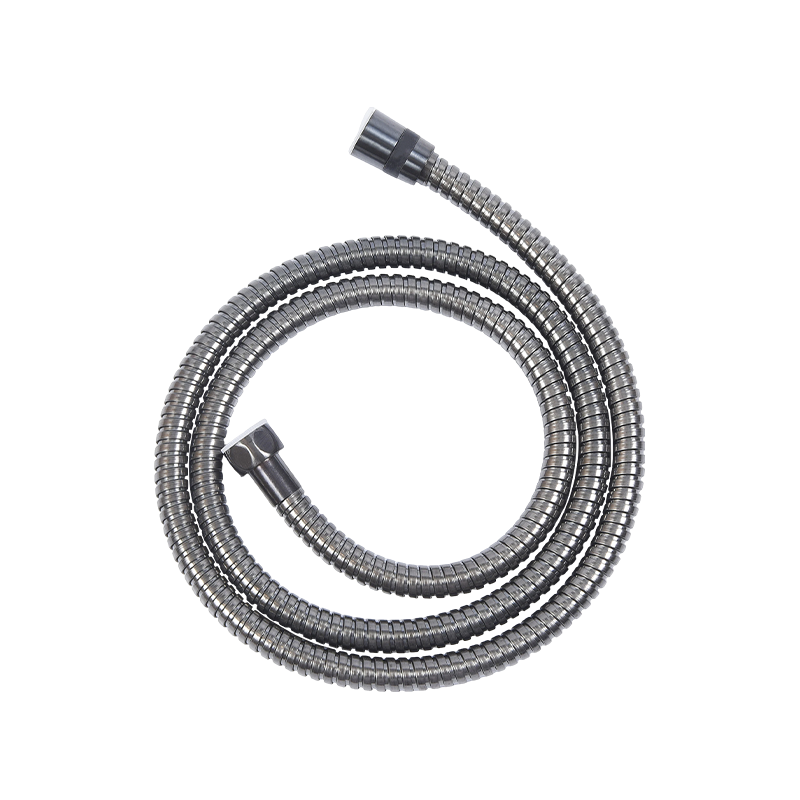
The stainless steel double-lock retractable shower pipe features two locking points to prevent accid...
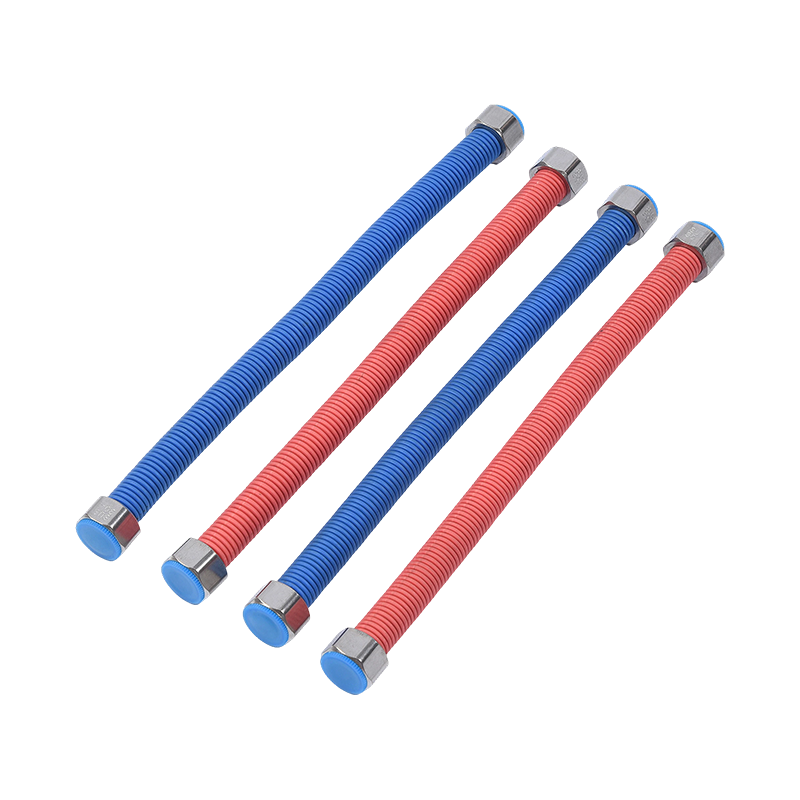
Stainless steel 316L gas pipe with PE protective cover combines strength, corrosion resistance, and ...
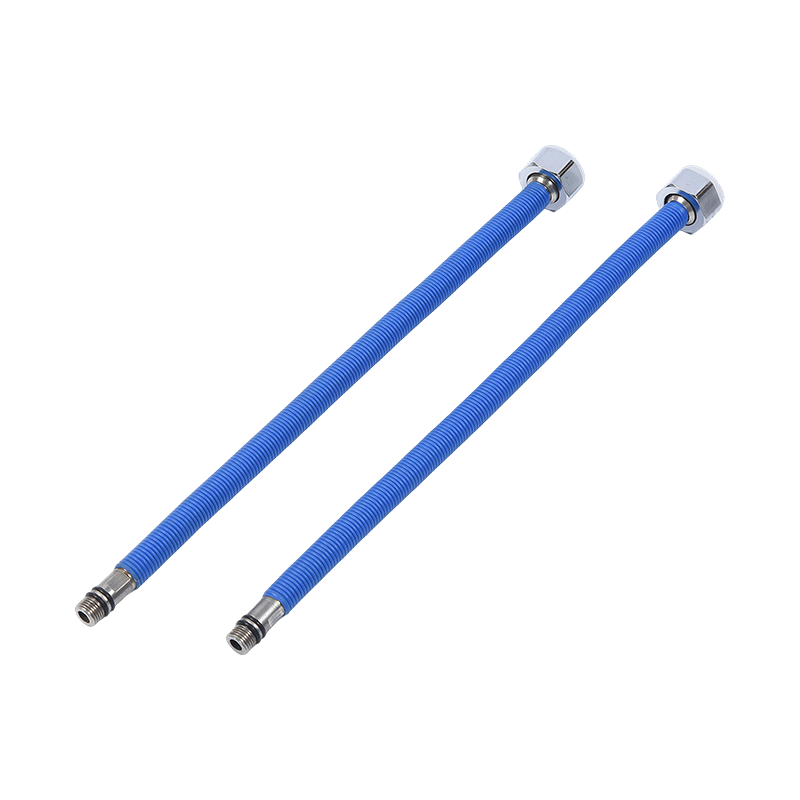
Stainless steel corrugated leak-proof hot and cold pipes are a highly durable, flexible piping syste...
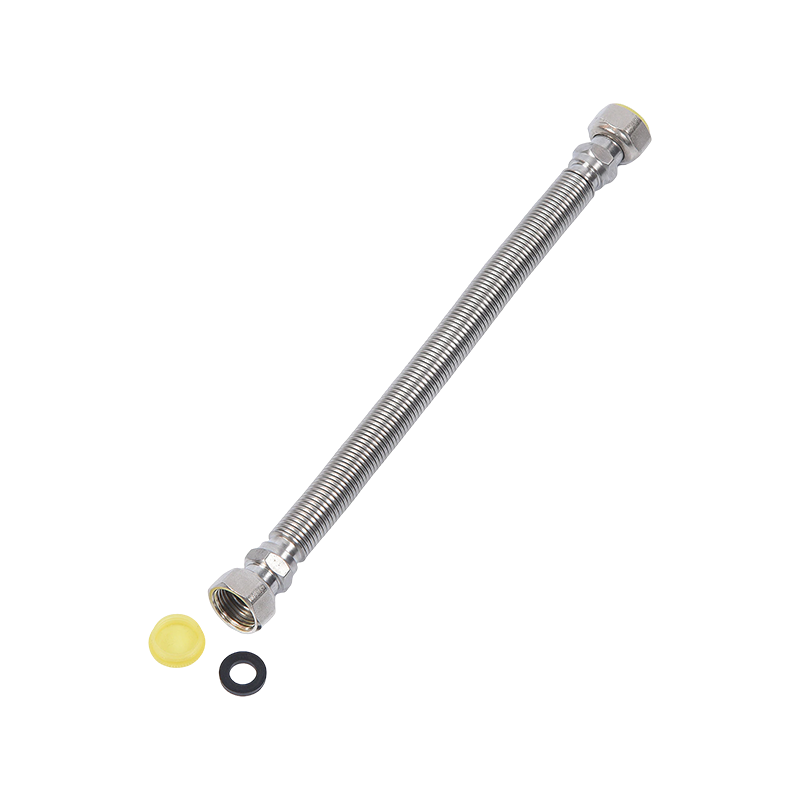
These pipes are crafted from premium-grade stainless steel, offering remarkable resistance to both h...
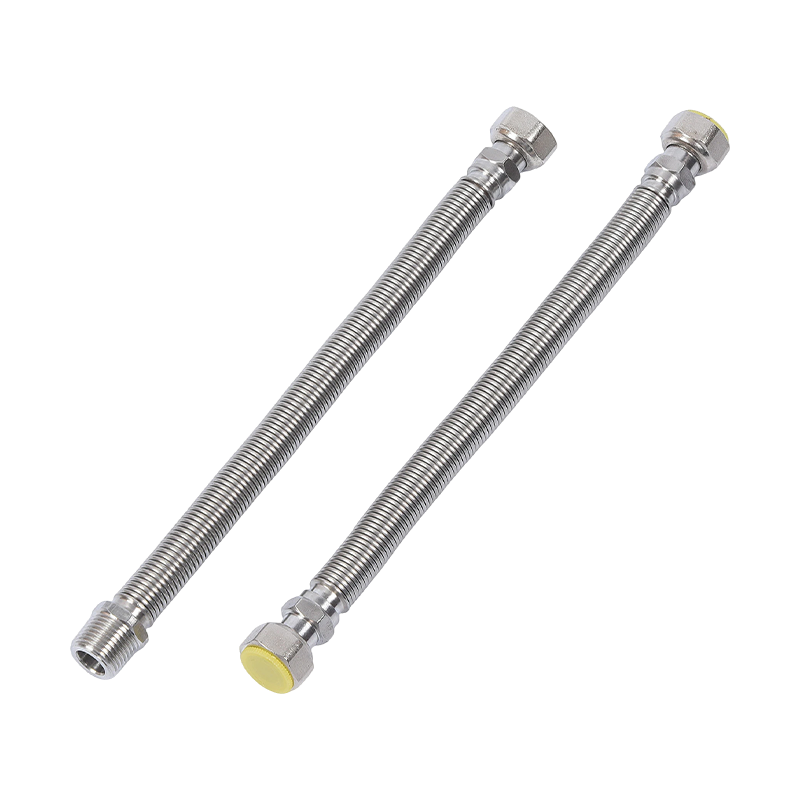
Stainless steel 304 flexible braided pipe combines the natural corrosion resistance of stainless ste...
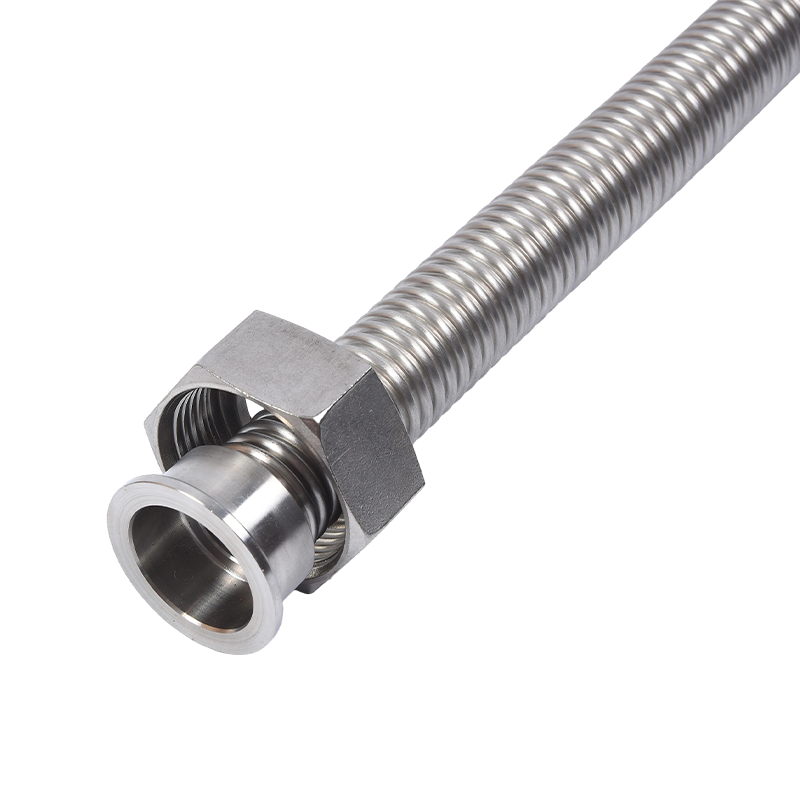
The stainless steel double-wire braided shower pipe is constructed from a multi-layer structure. Its...
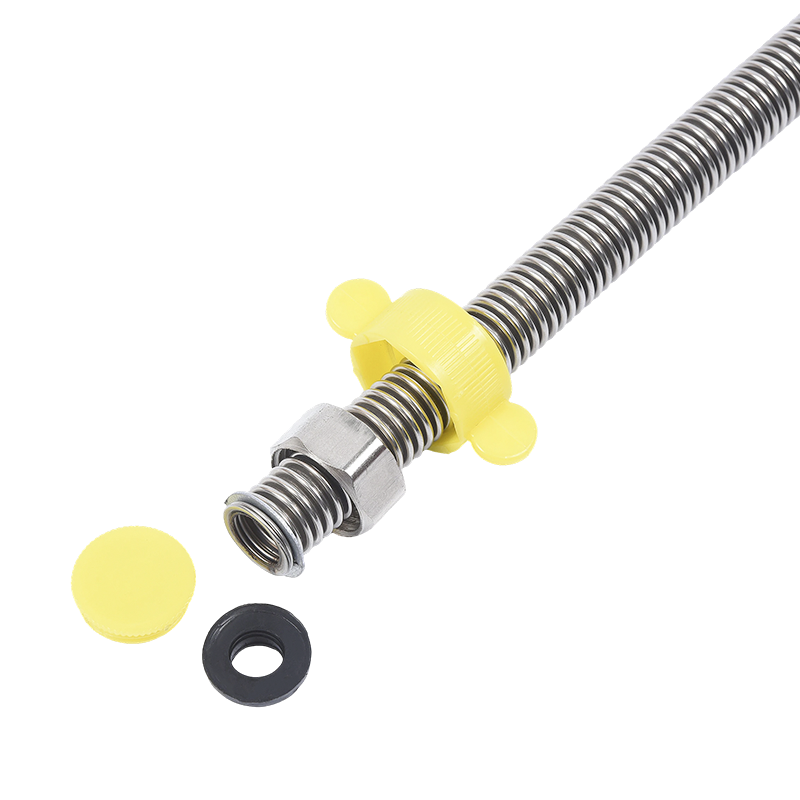
304 stainless steel corrugated pipe with wrench can maintain good performance in higher temperature ...
The stainless steel bathroom basin water heater pipe is a critical component designed to efficiently...
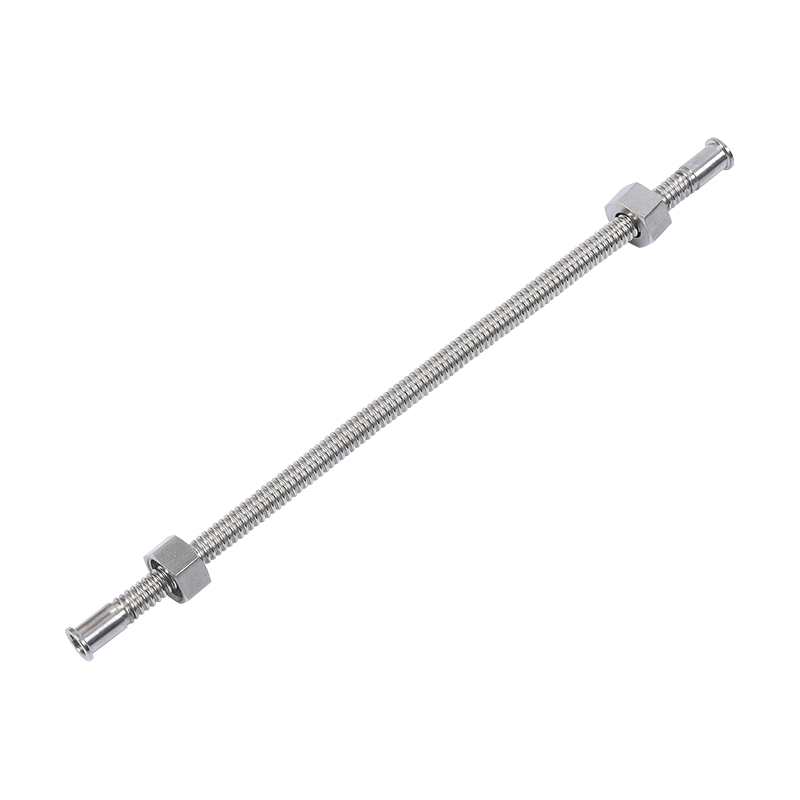
Stainless steel double-layer insulated shower pipes are primarily used in hot water supply systems i...

Stainless steel corrugated water heater connecting pipe is primarily used to connect water heaters t...
As China Stainless Steel Plumbing fittings Manufacturers and Corrugated Stainless Steel Pipe Suppliers, Yuyao Boli Utilities Sometimes Company was founded in 2002 and is located in the Wu Ma Industrial Park of Yuyao City, Zhejiang Province, a relatively developed part of the industrial chain. The company specializes in producing stainless steel pipe corrugated pipe, gas pipe, heating pipe and other stainless steel pipe sanitary ware series, can also be produced according to customer requirements OEM processing, The factory covers an area of 17 acres, the company has 25 stainless steel corrugated pipe production lines, heat treatment and light reflame, cold beam manufacturing, steel belt division, laser automatic welding or marking, and ultrasonic cleaning equipment, and a complete team of strong research and development (sales). Promoting the steady development of the company's business, the company, based on the concept of "survival with quality, casting quality with heart," adheres to stable quality, reasonable prices and sound after-sales service, always provides good products and technical support to customers, continuously satisfying the needs of the vast majority of customers. The company employs more than 100 people, 5 senior engineers, has a construction area of more than 17,000 square meters, has more than 100 numerical cutting lathes, more than 20 polishing machines, several automatic welding machines, seamstresses, several automated drilling machines, five assembly lines, and so on. The product has formed a complete production management system from the bottoming--cleaning--polishing--assembly--inspection--out of the warehouse. At present, the leading series is produced, and product sales have covered many first- and second-line brands at home and abroad, and foreign trade orders have covered several countries and regions such as the Middle East and Europe. We have a good quality management system, better serve our customers, and contribute to the purification of water. Many customers are welcome to visit the company's laboratory.
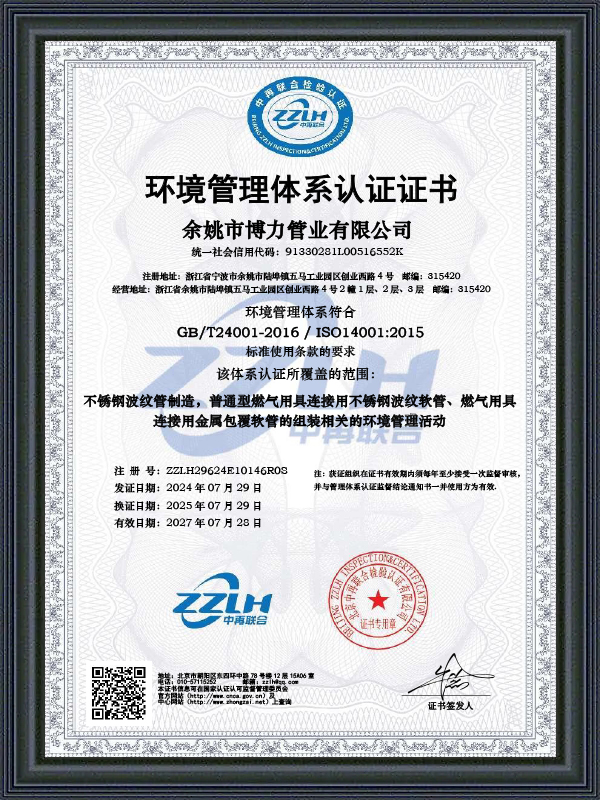
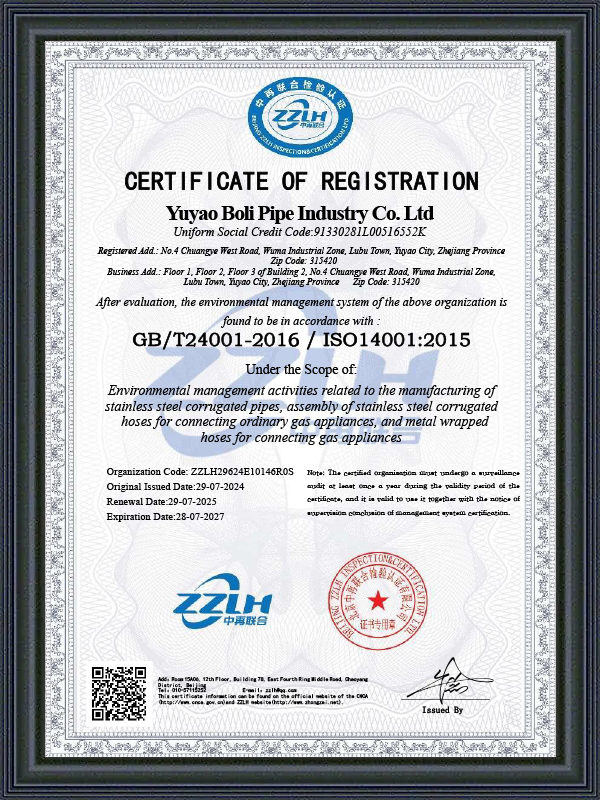
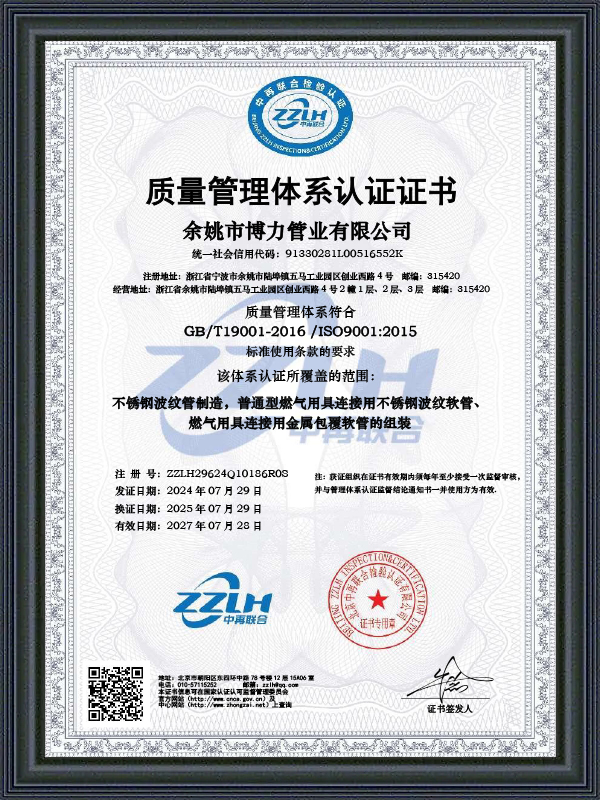
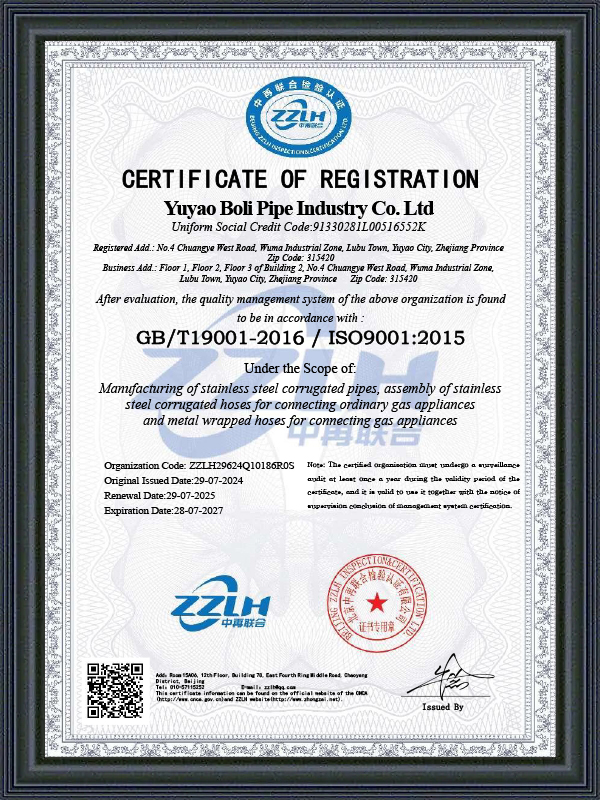
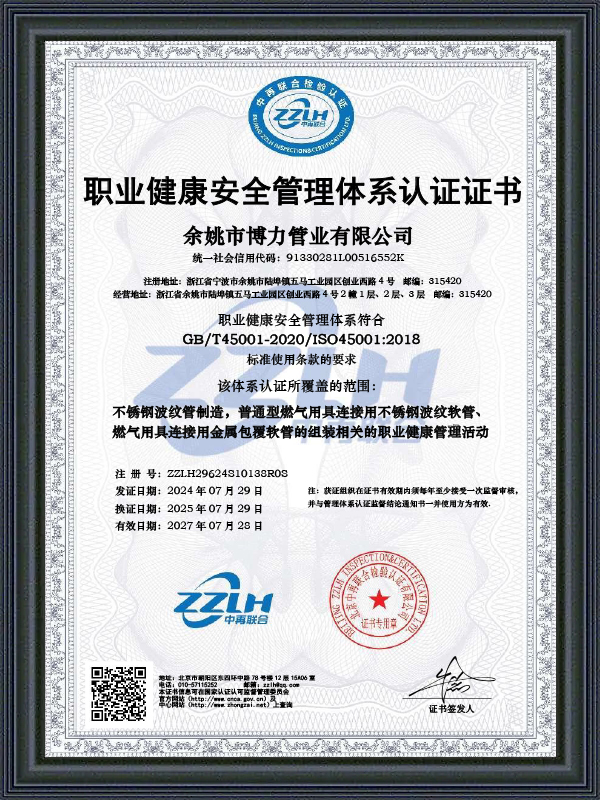
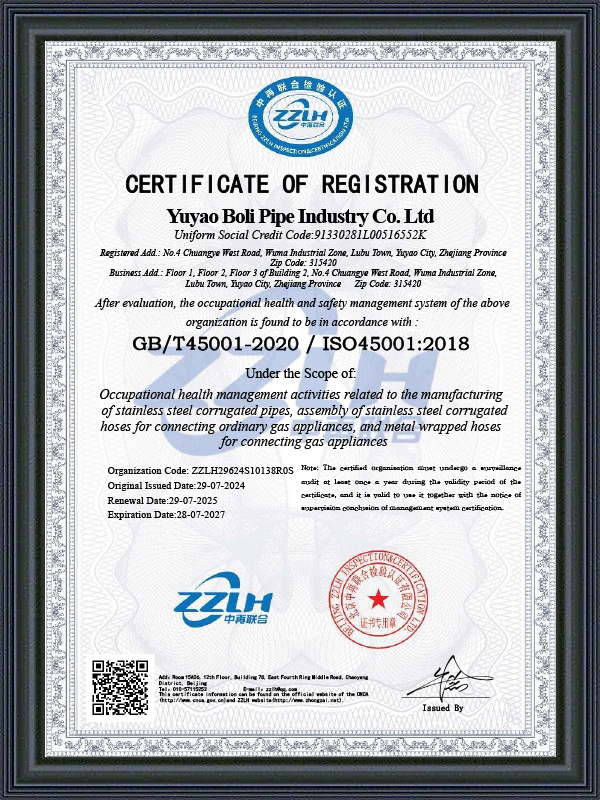
If you search for "CSST certification," you will see two very different results. One is the Certified Site Surveillance Technician credential used in asbestos and hazardous material work. The other relates to corrugated stainless steel tub...

For more than two decades, Yuyao Boli Pipe Industry has designed and manufactured stainless steel corrugated tubing for gas and plumbing applications around the world. During that time, corrugated stainless steel tubing, commonly abbreviat...
When a specification sheet for a stainless steel corrugated tube lists "1.4307" and you need to know whether that grade is a safe choice for gas or water service, the short answer is yes, provided the supplier manufactured the part to an a...
When you source stainless steel pipe for gas or water connections, corrosion resistance is not an optional property. The wrong grade or an untreated surface can turn into a leak, a blocked line, or a failed inspection within a few years. T...
In the global plumbing and construction sectors, transporting potable water requires materials that adhere to strict public health and safety regulations. Traditional delivery networks often relied on copper or plastics, but flexible plumbing solutions have changed industry standards. Stainless Steel Plumbing Corrugated Pipe has become a critical component in commercial and residential water distribution, heating, and sanitary ware series. To ensure these components are safe for drinking water networks, engineering facilities like Yuyao Boli Pipe Industry Ltd. implement specific raw material selections and controlled manufacturing processes across their 25 production lines to satisfy international potable water certifications such as NSF/ANSI 61 or WRAS.
The primary factor determining whether a corrugated pipe is safe for drinking water is its chemical composition. Standard plumbing systems require materials that do not leach heavy metals or chemical contaminants into the water stream over time. Manufacturers utilize high-grade alloys, typically SUS304 or SUS316L, which possess inherent resistance to oxidation and chemical degradation. By implementing strict raw material controls during the initial steel belt division phase, the metallic matrix remains within the regulatory limits for lead content, aligning with global lead-free plumbing mandates. The absence of toxic additives ensures that the water passing through the corrugated conduit retains its chemical purity from the source to the terminal sanitary ware fixture.
The manufacturing process introduces specific physical changes to the metal that can alter its corrosion resistance if not managed precisely. During production, the steel strip undergoes cold beam manufacturing and longitudinal closing via automated laser welding. This precise welding method creates a continuous seam without introducing external filler metals that could contaminate the water supply. Following the welding and corrugation formation, the pipe passes through a controlled heat treatment and bright annealing (light reflame) environment. This thermodynamic process relieves the internal mechanical stresses introduced during shaping, restoring a uniform crystalline structure to the stainless steel and removing microscopic crevices where bacteria or mineral deposits could otherwise lodge.
Mechanical shaping and cutting processes require lubricants and cooling fluids to prevent tool wear and material tearing. If left inside the convolutions of a finished plumbing pipe, these industrial oils would contaminate drinking water systems during initial operation. To address this, the manufacturing workflow routes the corrugated tubing through a multi-stage ultrasonic cleaning system. High-frequency sound waves create microscopic cavitation bubbles within the cleaning solution, which implode upon contact with the metal surfaces. This action dislodges all surface oils, grease, and microscopic metal particles from the deepest sections of the internal corrugations, achieving a level of chemical cleanliness required for direct contact with drinking water.
Evaluating how corrugated stainless steel options compare to alternative plumbing materials helps clarify its role in modern water infrastructure. The table below outlines the core properties relevant to potable water safety and structural performance across common piping types.
| Material Group | Heavy Metal Leaching Risk | Internal Surface Biofilm Resistance | Joint Dependency and Leak Paths |
| Stainless Steel Corrugated Pipe | Compliant with lead-free mandates (SUS304/316L) | High resistance due to smooth, ultrasonically cleaned surface | Low; continuous lengths minimize connection interfaces |
| Standard Copper Tubing | Low risk under normal pH; sensitive to acidic water pitting | Moderate; susceptible to internal scale accumulation over time | High; requires soldering or mechanical press fittings at changes |
| Cross-linked Polyethylene (PEX) | Zero metal risk; potential for minor organic compound migration | Moderate; vulnerable to biofilm attachment in stagnant conditions | Moderate; uses crimp or expansion fittings at distribution manifolds |
Before a flexible stainless steel pipe can be legally installed in a drinking water system, samples from the production batch must undergo independent laboratory testing to verify compliance with regional sanitary codes. These tests involve exposing the inner surface of the Corrugated Stainless Steel Plumbing Pipe to simulated water conditions with varying pH levels and mineral content for extended testing periods. Chemists analyze the water samples using inductively coupled plasma mass spectrometry to verify that the extraction levels of elements like chromium, nickel, and lead remain well below established maximum contaminant levels. Passing these independent extractions allows the research and development teams to apply official certification marks required by building inspectors worldwide.
Maintaining certification requires continuous quality verification for every production run moving through the factory floor. After completing pressure testing and surface validation, the corrugated pipes pass through an automatic laser marking station. This system etches the specific certification codes, batch tracking data, and material grades directly onto the pipe exterior. This permanent technical labeling ensures that field engineers, plumbing contractors, and utility inspectors can verify compliance directly at the installation site, confirming the product matches the documented laboratory test certifications for potable water safety.
Q: What specific engineering steps are taken during manufacturing to prevent the gas pipe from kinking during tight bends?
A: The balance between flexibility and structural stability is achieved through a controlled heat treatment and bright annealing (light reflame) process. After the convolutions are formed via cold beam manufacturing, this thermal processing re-aligns the molecular structure of the stainless steel, allowing the pipe to maintain its open internal diameter even when navigating complex structural angles.
Q: How does the presence of an on-site steel belt division improve the reliability of the final corrugated gas line?
A: Having an in-house steel belt division allows the factory to maintain strict control over the raw material width and edge precision before welding. This precision feeding ensures that the longitudinal laser automatic welding lines receive uniform strips, resulting in highly consistent weld seams that are free of localized stress points or wall thinning.
Q: Can the factory support large-scale commercial procurement timelines alongside highly customized OEM technical requirements?
A: Yes, the facility spans a 17-acre industrial footprint and is equipped with 25 active stainless steel corrugated pipe production lines. This extensive manufacturing capacity allows for the simultaneous handling of high-volume standard runs and specialized OEM orders, all supported by a complete research and development team to verify unique custom specifications.
Q: Why is laser automatic marking preferred over traditional ink printing for labeling your gas distribution lines?
A: Gas infrastructure components must maintain clear technical traceability throughout their operational lifecycles. Laser automatic marking permanently etches pressure ratings, batch numbers, and compliance markers directly into the material surface, ensuring the text remains legible against abrasion, chemical exposure, and aging on the field.
Q: How does the factory eliminate potential leak points in corrugated gas tubes at the microscopic level?
A: The production setup relies on automated laser welding systems to create a continuous, homogenous seam along the steel strip. This process is paired with inline non-destructive testing and differential pressure evaluation to verify that every linear meter of the corrugated tube is entirely non-porous before being routed to final packaging.
Q: What measures prevent particulate accumulation inside the heating and gas corrugated lines during production?
A: All finished corrugated tubes pass through a multi-stage ultrasonic cleaning system. This machinery utilizes cavitation technology to completely flush out industrial lubricants, residual dust, and fine metal shavings from the deep periodic folds of the corrugated walls, delivering a contaminant-free interior suitable for critical gas and sanitary applications.

Copyright © Yuyao Boli Pipe Industry Ltd. All Rights Reserved
