

 English
 русский
 عربى
عربى +86-15867355556
The 316 stainless steel gas plastic composite hose is engineered for optimal performance in demandin...

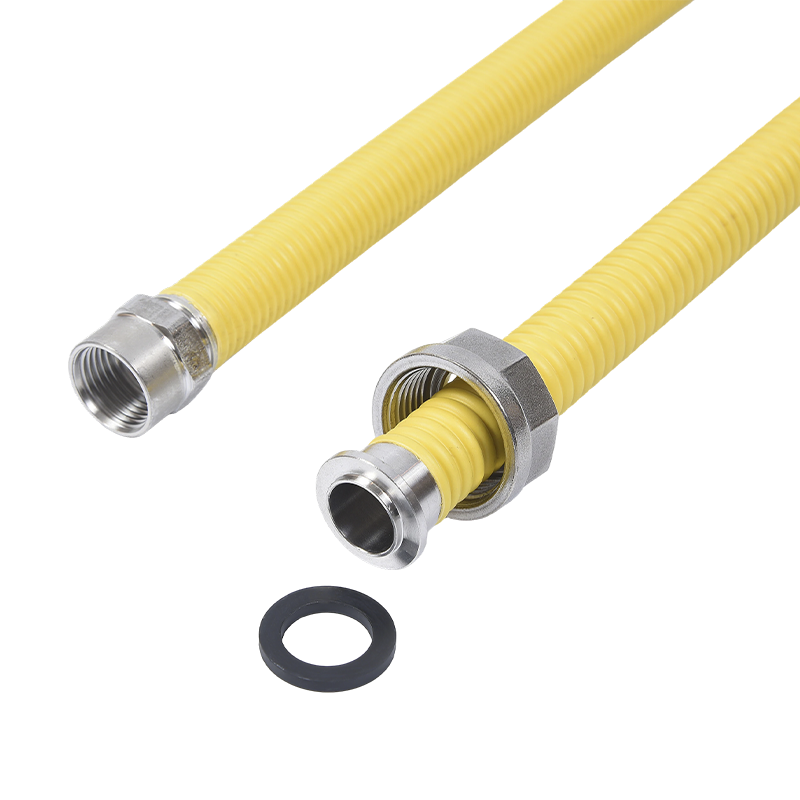
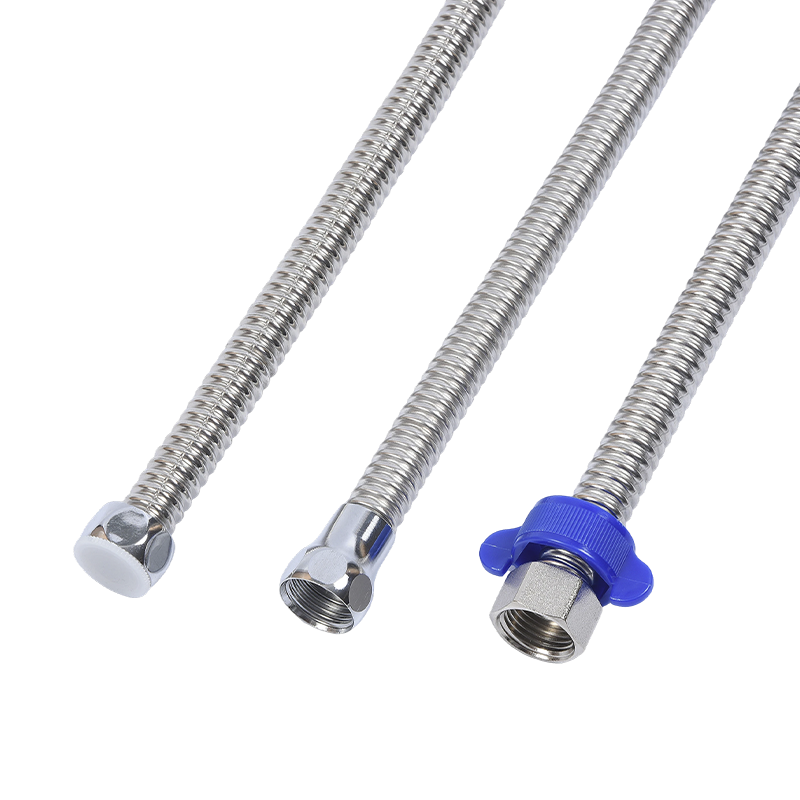
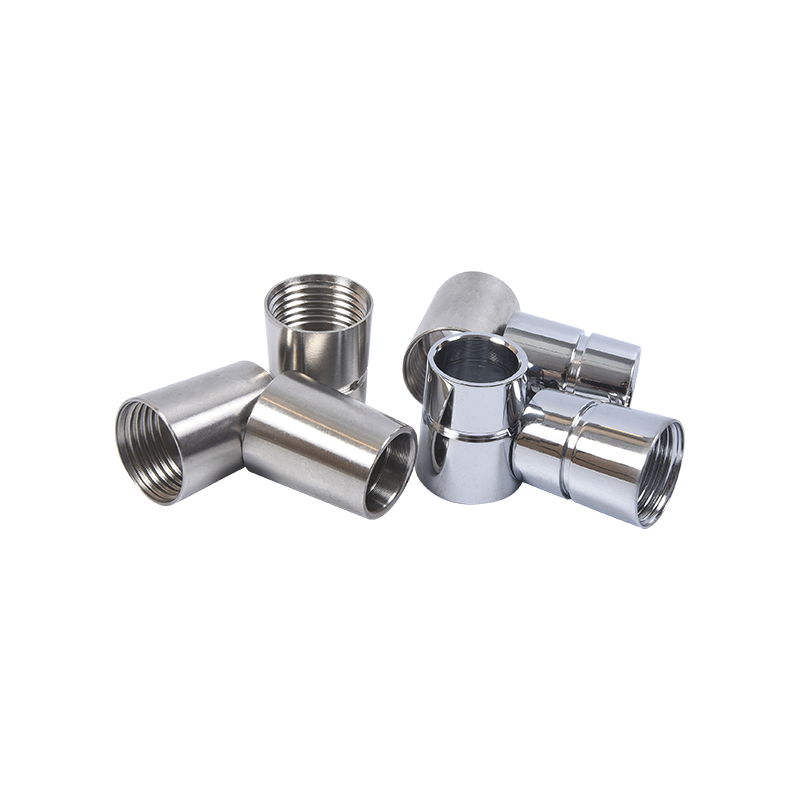
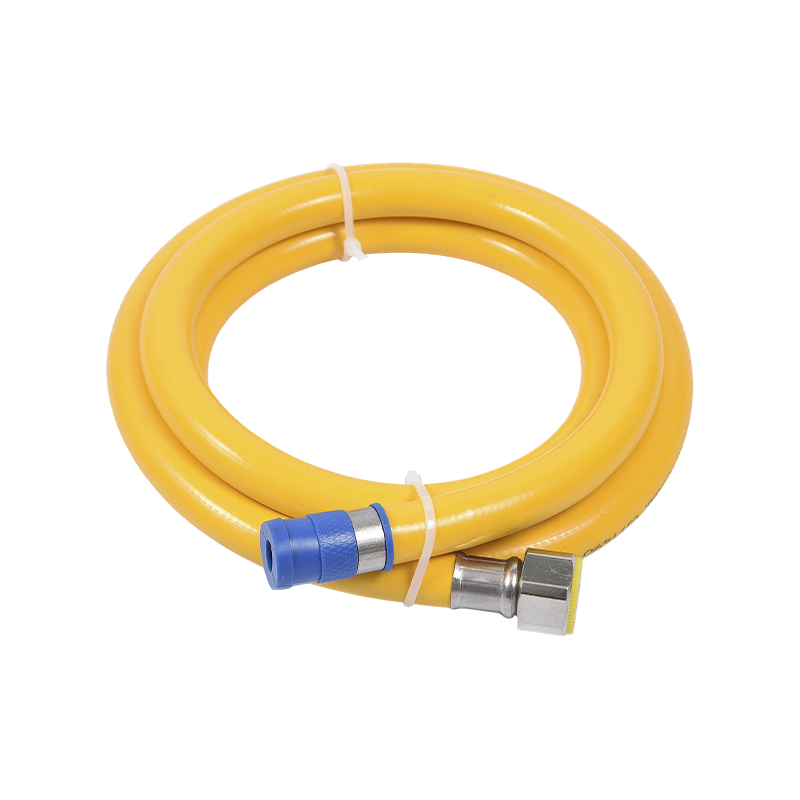
The 316 stainless steel gas plastic composite hose is engineered for optimal performance in demandin...

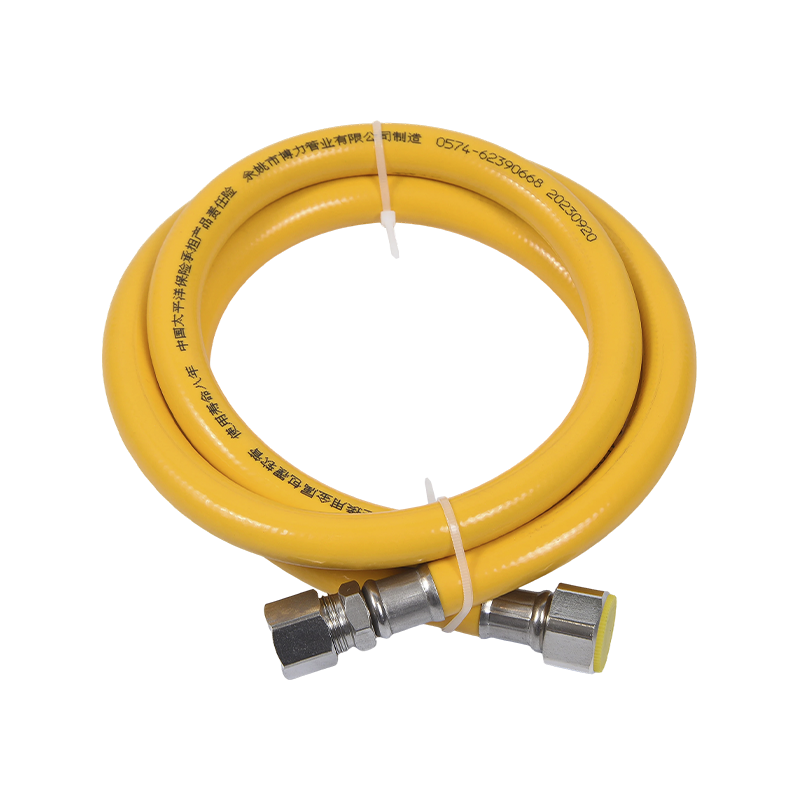
The 316L corrugated flexible natural gas hose designed for kitchen use is a highly advanced and depe...
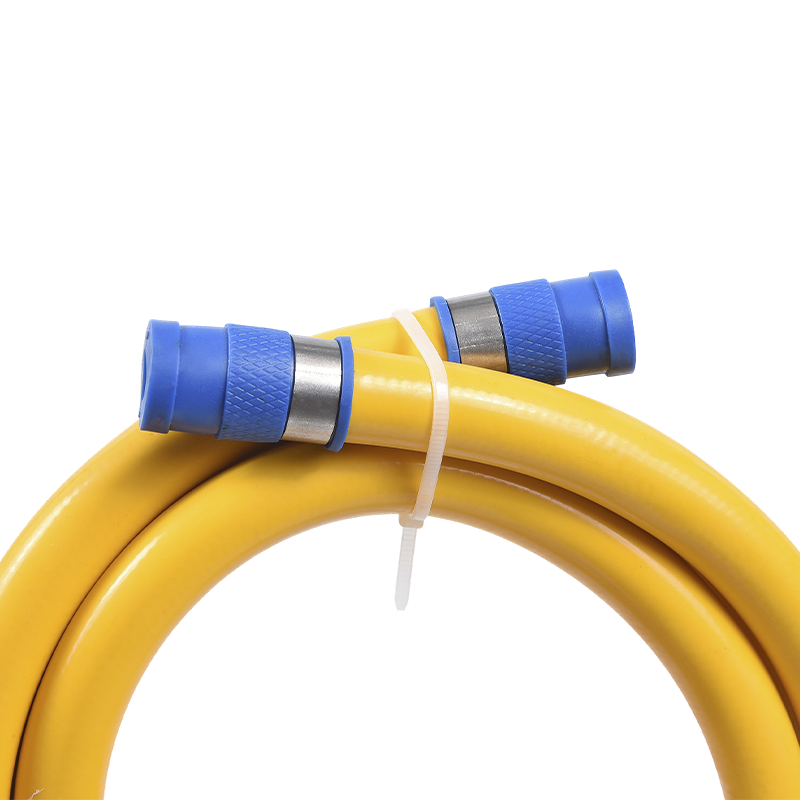
The Stainless Steel Flexible Yellow PVC Gas Hose is engineered to offer superior durability and perf...
As China Metal Wrapped Hoses For Gas Appliance Connections Manufacturers and Metal Wrapped Hoses For Gas Appliance Connections Suppliers, Yuyao Boli Utilities Sometimes Company was founded in 2002 and is located in the Wu Ma Industrial Park of Yuyao City, Zhejiang Province, a relatively developed part of the industrial chain. The company specializes in producing stainless steel pipe corrugated pipe, gas pipe, heating pipe and other stainless steel pipe sanitary ware series, can also be produced according to customer requirements OEM processing, The factory covers an area of 17 acres, the company has 25 stainless steel corrugated pipe production lines, heat treatment and light reflame, cold beam manufacturing, steel belt division, laser automatic welding or marking, and ultrasonic cleaning equipment, and a complete team of strong research and development (sales). Promoting the steady development of the company's business, the company, based on the concept of "survival with quality, casting quality with heart," adheres to stable quality, reasonable prices and sound after-sales service, always provides good products and technical support to customers, continuously satisfying the needs of the vast majority of customers. The company employs more than 100 people, 5 senior engineers, has a construction area of more than 17,000 square meters, has more than 100 numerical cutting lathes, more than 20 polishing machines, several automatic welding machines, seamstresses, several automated drilling machines, five assembly lines, and so on. The product has formed a complete production management system from the bottoming--cleaning--polishing--assembly--inspection--out of the warehouse. At present, the leading series is produced, and product sales have covered many first- and second-line brands at home and abroad, and foreign trade orders have covered several countries and regions such as the Middle East and Europe. We have a good quality management system, better serve our customers, and contribute to the purification of water. Many customers are welcome to visit the company's laboratory.
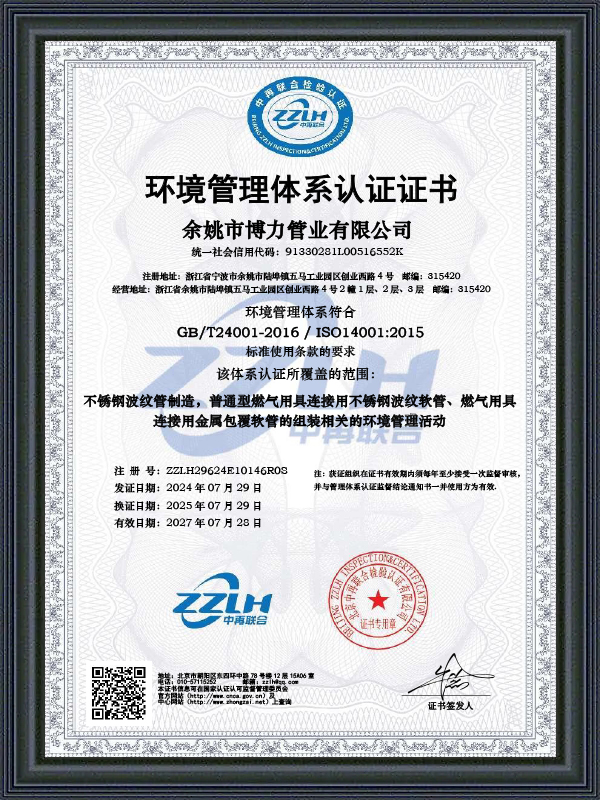
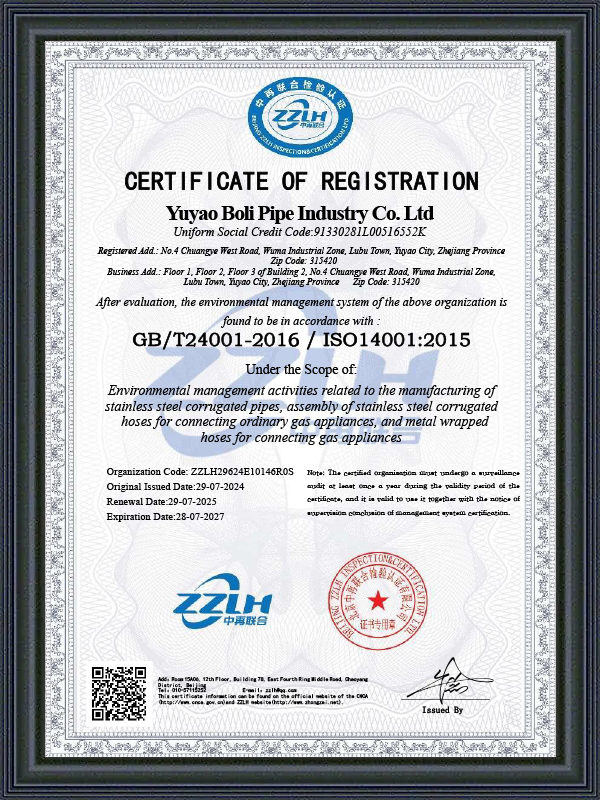
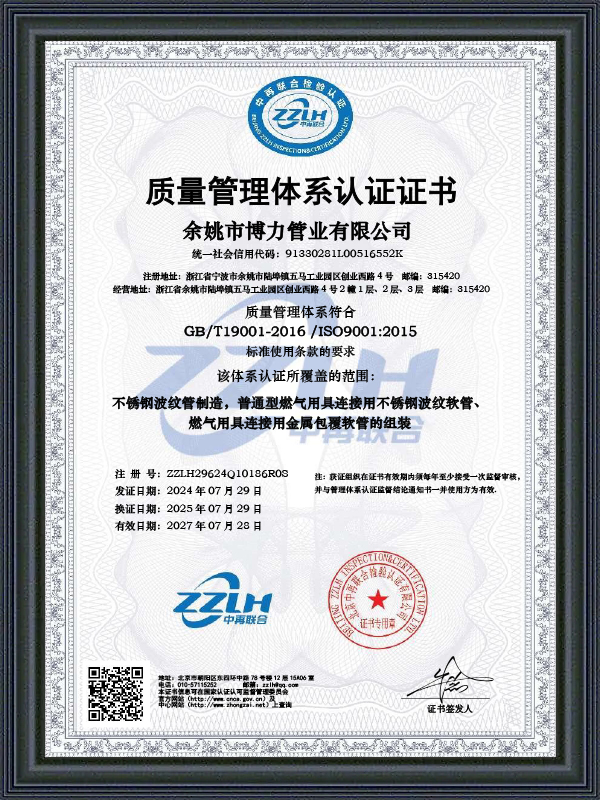
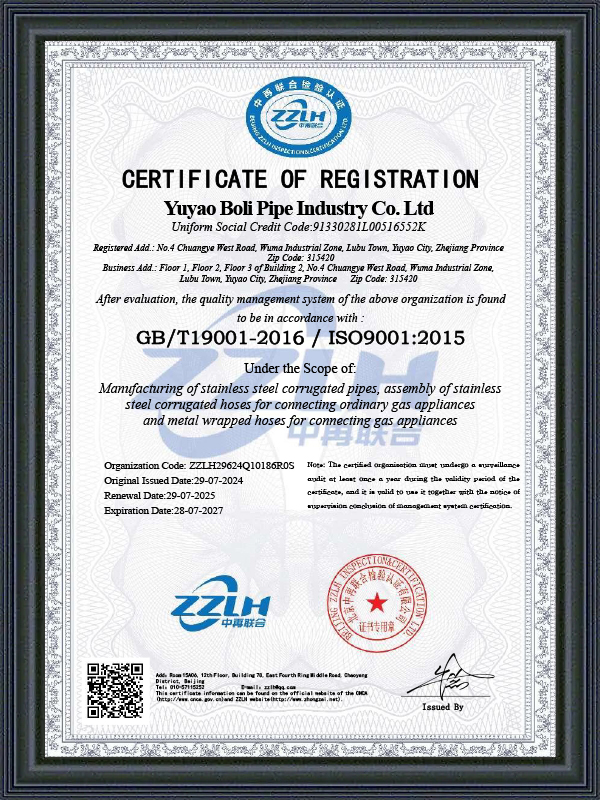
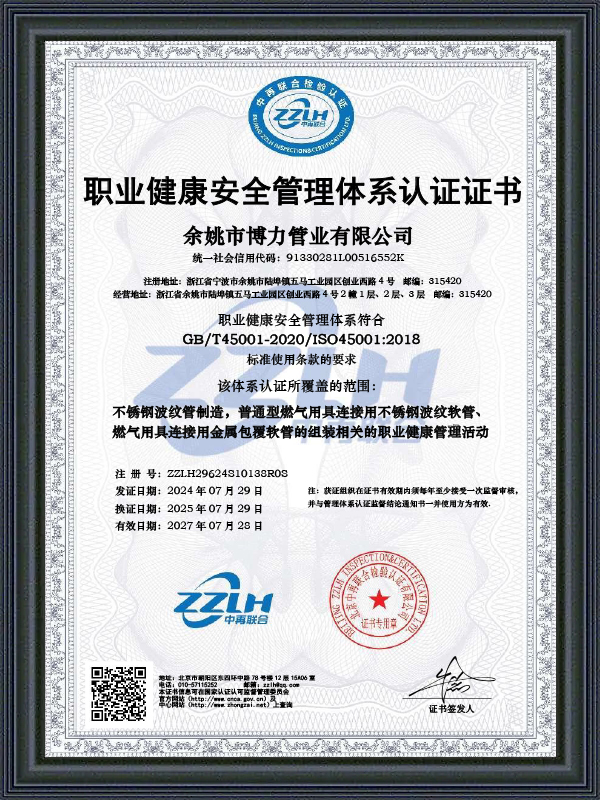
If you search for "CSST certification," you will see two very different results. One is the Certified Site Surveillance Technician credential used in asbestos and hazardous material work. The other relates to corrugated stainless steel tub...

For more than two decades, Yuyao Boli Pipe Industry has designed and manufactured stainless steel corrugated tubing for gas and plumbing applications around the world. During that time, corrugated stainless steel tubing, commonly abbreviat...
When a specification sheet for a stainless steel corrugated tube lists "1.4307" and you need to know whether that grade is a safe choice for gas or water service, the short answer is yes, provided the supplier manufactured the part to an a...
When you source stainless steel pipe for gas or water connections, corrosion resistance is not an optional property. The wrong grade or an untreated surface can turn into a leak, a blocked line, or a failed inspection within a few years. T...
In residential and commercial gas piping configurations, the mechanical protection of flexible conduits is as critical as their internal pressure containment capabilities. Gas distribution lines installed behind structural walls, underneath cabinetry, or directly connected to movable appliances face distinct environmental hazards, including physical compression and damage from pests. Metal Wrapped Hoses For Gas Appliance Connections are designed to address these specific field liabilities. Manufacturing facilities, such as Yuyao Boli Pipe Industry Ltd.—which coordinates 25 specialized corrugated production lines across a 17-acre complex—utilize integrated engineering processes including cold beam manufacturing, steel belt division, laser automatic welding, and bright annealing to produce multi-layered protective configurations that mitigate physical crushing forces and prevent rodent breach.
The primary defense mechanism against structural deformation and external puncture in a metal wrapped hose is the external geometric layout of the armoring layer. This layer typically consists of high-tensile stainless steel wires woven into a tight braid matrix or a continuous interlocked metallic strip wrapped spirally around the internal corrugated stainless steel core tube. During the steel belt division phase, precise tolerances are established to ensure that the overlapping segments or wire gauges match exact design specifications. This structural wrapping acts as a physical shield that distributes localized physical forces across a broader surface area. When an external force impacts the hose, the metal wrap absorbs the initial kinetic energy, preventing the sharp, localized concentration of load that would otherwise deform the inner periodic wave convolutions of the core tube.
Rodents, such as rats and mice, possess continuously growing incisors that allow them to gnaw through standard polymeric materials, including rubber, PVC, and un-jacketed polyethylene tubing commonly used in lesser utility lines. A breach in a gas line introduces immediate safety hazards due to fuel accumulation. The integration of a high-density stainless steel metal wrap presents a material hardness barrier that exceeds the structural limits of rodent gnawing capabilities. When a rodent attempts to chew through a Metal Wrapped Hose For Gas Appliance Connections, the teeth cannot find purchase on the hard, rounded surfaces of the stainless steel wire or interlocked casing. This material hardness prevents the structural penetration of the outer layer, keeping the internal gas-carrying corrugated tube fully isolated from biological damage.
In field environments, gas hoses can be subjected to crushing forces if appliances are pushed too close to structural walls or if heavy maintenance equipment is accidentally rested on the line. Unprotected flexible lines can flatten under these conditions, restricting fuel flow and inducing high localized material stress that accelerates fatigue failure. The interlocked or braided metal wrap provides a predictable level of radial stiffness. As an external crushing load is applied, the metal wrap locks against itself or tightens its radial grip, creating a rigid external skeleton. This load-bearing capacity keeps the internal core diameter from collapsing beyond standard operating limits, maintaining the necessary BTU/hr flow rate required by the connected gas appliance even when subjected to minor physical compression.
To evaluate how metal wrapped hoses perform against alternative flexible gas line constructions under mechanical hazards, the following table details the responses of different structural styles to typical physical stresses.
| Hose Construction Type | Rodent Gnaw Resistance Mechanism | Radial Crush Load Response | Puncture Force Threshold |
| Metal Wrapped / Braided Stainless Steel | High alloy hardness blocks tooth penetration | Outer armoring distributes force and preserves core geometry | High resistance to sharp structural edges and tools |
| Bare Corrugated Stainless Steel Tube | Metal prevents penetration but thin walls can deform | Vulnerable to localized convolution flattening under direct load | Moderate resistance; sensitive to high-velocity sharp impacts |
| Reinforced Rubber / PVC Gas Hose | Low; polymeric compounds are easily breached by incisors | Collapses easily under static pressure, blocking fuel flow | Low resistance; susceptible to slicing and shearing forces |
The long-term durability of the metal wrapped configuration depends heavily on how the termination ends and the outer wrap are mechanically bonded to the internal corrugated tube. Automated laser automatic welding systems are utilized to fuse the solid end-fittings, the inner core, and the outer metal wrapped layers into a single cohesive joint. This prevents the outer braid or interlock from fraying or sliding away from the connection point when the hose is flexed or compressed. Following the welding phase, the assembly undergoes controlled heat treatment and bright annealing (light reflame) to ensure that the metallurgical structure of the stainless steel components is uniform, reducing the risk of hydrogen embrittlement or micro-structural cracking at the critical stress interfaces where the wrapping meets the rigid fitting.
Because wrapped hoses contain tight physical gaps between the inner corrugated wall and the outer metal armor, managing manufacturing cleanliness is an engineering priority. Residual drawing lubricants or metal scale trapped between these layers can attract moisture and induce crevice corrosion over time, which would weaken the metal wrap's resistance to crushing and punctures. To prevent this, finished assemblies pass through multi-stage ultrasonic cleaning equipment that uses acoustic cavitation waves to clear out contaminants from both the inner tube and the interlaced spaces of the outer wrap. Following cleaning, the hoses undergo 100% pneumatic pressure testing to verify that the structural layers were assembled without causing microscopic defects to the internal barrier, ensuring full mechanical protection in the field.
Q: How do the 25 corrugated production lines ensure the outer wrapping fits tightly over the inner core of the Metal Wrapped Hoses For Gas Appliance Connections?
A: Operating 25 dedicated production lines allows the factory to precisely synchronize the corrugation speed of the inner tube with the tensioning of the automated outer wrapping machinery. This exact calibration ensures that the metal armor forms a tight, uniform layer around the convolutions, preventing friction gaps that could compromise the hose's structural integrity.
Q: Does the bright annealing heat treatment process affect the flexibility of a gas hose once the metal wrapped layer is applied?
A: The bright annealing, or light reflame process, is carefully applied to restore full ductility to the stainless steel material after mechanical forming. This thermal treatment ensures that the underlying corrugated core remains flexible, allowing the combined metal-wrapped assembly to bend smoothly during appliance installation without increasing stiff resistance or causing metal fatigue.
Q: What measures are taken during the steel belt division phase to guarantee the crush-resistant properties of the outer metal wrap?
A: The on-site steel belt division uses high-precision slitting tools to cut the raw stainless steel rolls into exact widths with clean, burr-free edges. This precise material prep ensures that when the strips are processed through cold beam manufacturing into an interlocking or braided protective wrap, the interlocking joints latch correctly to distribute external crushing loads evenly.
Q: How does the factory ensure that no moisture or lubricants get trapped between the inner corrugated tube and the outer metal wrap during assembly?
A: To prevent hidden moisture or manufacturing fluids from causing crevice corrosion between the layers, all assembled metal wrapped hoses pass through high-capacity ultrasonic cleaning equipment. The acoustic cavitation waves completely penetrate the gaps between the wrap and the inner core, stripping away residual oils and fine debris before final drying and pressure testing.
Q: Can the research and development team customize the metal wrapped hose specifications to match distinct global safety standards for OEM appliance brands?
A: Yes, the complete research and development team analyzes the precise mechanical stress, pressure thresholds, and environmental hazards specified by the OEM client. They can adjust parameters like wire gauge, braid density, or material alloy to ensure the finished gas appliance connectors fully comply with the specific regulatory certifications of different international markets.
Q: How does the laser automatic welding system secure the termination ends of a heavy metal-wrapped gas hose?
A: Securing a multi-layered hose requires a solid bond at the termination point. The automated laser welding units deliver a highly concentrated thermal beam that deeply fuses the inner corrugated core, the outer high-tensile metal wrap, and the solid end-fitting into a single homogenous joint, ensuring the protective wrap cannot fray or pull away under physical strain.

Copyright © Yuyao Boli Pipe Industry Ltd. All Rights Reserved

Custom Metal Wrapped Hoses For Gas Appliance Connections Manufacturers