

 English
 русский
 عربى
Industry News
Home / News / Industry News / Corrosion Resistance Steel: Why Stainless Grades Matter for Gas and Plumbing


Content
When you source stainless steel pipe for gas or water connections, corrosion resistance is not an optional property. The wrong grade or an untreated surface can turn into a leak, a blocked line, or a failed inspection within a few years. The most practical way to avoid these outcomes is to match the steel composition to the environment before you choose a product. A simple check of the site environment can save an entire order from premature failure.
This article explains how corrosion resistance steel works, which stainless grades handle which conditions, and what points to check when ordering flexible pipes, fittings, and accessories. The advice comes from a manufacturing perspective, where material, surface, and final cleaning are controlled in one production flow.
All corrosion-resistant stainless steel relies on one mechanism: a thin, invisible chromium oxide film that forms on the surface when chromium reacts with oxygen. This passive film is stable and self-healing. If the surface is scratched, the film regenerates, provided the steel contains enough chromium, usually above 12 percent. This is why stainless steel stays bright in a humid bathroom or a coastal kitchen while ordinary carbon steel would rust within weeks.
Corrosion resistance does not mean immunity. Under certain conditions, the passive film breaks down locally. The most common failure modes for stainless steel pipe are pitting corrosion, crevice corrosion, and stress corrosion cracking. Pitting occurs when chloride ions attack small spots, leaving tiny holes that grow deeper. Crevice corrosion develops inside tight gaps, such as under a nut, a gasket, or a protective sleeve. Stress corrosion cracking combines a corrosive environment with a tensile stress, which is why correct assembly and proper support matter as much as material selection.
The practical implication is that chemical composition alone does not guarantee performance. A well-made corrugated pipe with a smooth bore and a clean surface will outperform a poorly finished part made from nominally better steel. This is especially true in flexible connectors, where the wall is thin and the surface area is high.
For flexible stainless steel pipe, three grades cover most residential and light commercial applications. The main difference is the addition of molybdenum, which increases resistance to chlorides. The table below gives a quick reference for buyers.
| Grade | Chromium (%) | Nickel (%) | Molybdenum (%) | PRE value | Typical use |
|---|---|---|---|---|---|
| 304 | 18 | 8 | 0 | 19 | Indoor gas and water lines |
| 316 | 16–18 | 10–14 | 2 | 25–26 | Coastal or chloride-risk areas |
| 316L | 16–18 | 10–14 | 2 | 26–28 | Welded and high-risk applications |
The low carbon content in 316L is a significant benefit for welded stainless steel pipe, because it prevents carbide precipitation that can lower corrosion resistance near weld seams. For gas appliance connections, water heater connections, or outdoor-exposed lines, 316L is the safer starting point than 304.
In our own production, a small change in the material grade has a direct cost impact. The difference is not huge in small-diameter flexible pipe, but it is large in a full container order. A buyer who only looks at unit price may save a little today and pay more after a few years of exposure to salted air or cleaning chemicals.
 316L Stainless Steel Gas Pipe with PE Protective CoverThis pipe combines 316L stainless steel with a polyethylene layer for corrosion resistance and thermal insulation. Its pressure-resistant design suits high-pressure gas distribution, while the protective cover guards against moisture and chemicals in demanding environments.View Product →
Corrosion does not appear evenly across a building. The most vulnerable locations are those that combine moisture, heat, and chlorides. In a bathroom, steam and cleaning products create an aggressive environment for an exposed shower hose or a water heater pipe. In a kitchen, a gas stove connector sits close to cooking vapors and occasional splashes. In a concealed wall installation, a buried gas tube may stay cool and damp for years without any visual warning until a crack appears.
For gas systems, the main concern is safety. A corroded fitting or a small pinhole can leak enough gas to create a fire risk before a user notices. Standards and installation practices around corrugated stainless steel tubing (CSST) emphasize grounding, correct bends, and protective coverings. For water systems, the more common problem is aesthetic and functional: rust-colored water, damaged surfaces, or a pipe that fails after a long service life. In high-temperature water circuits, such as a boiler or a heat pump, scale and chlorides can work together to accelerate pitting.
When planning an order, start with the environment. Indoor dry applications can use 304 stainless steel at a lower cost. Outdoor installations, coastal buildings, or chemical plants need 316 or 316L. Water with high chloride content, such as softened water or well water, is a red flag for 304 and a clear signal to move to a molybdenum-bearing grade.
Surface protection matters too. A flexible epoxy coating is a practical second layer of defense for gas connection tubes exposed to condensation. It keeps corrosive agents away from the steel and makes the tube easier to clean. Similarly, a PE protective sleeve can prevent contact with plaster, mortar, or other building materials that may contain chlorides. These add-ons are not decorative; they extend the service life of the pipe in demanding applications.
Flexible Epoxy Coated Gas Connection TubeSpiral bellows with a PE outer layer and quick-release clamps offer flexibility and durable protection. The coating resists abrasion and moisture, extending service life in gas appliance connections where exposure to condensation or chemicals is a concern.View Product →Chemical composition alone does not guarantee corrosion resistance over time. A few simple practices help preserve the passive film.
These steps do not add much cost, but they prevent the most common site failures. For an OEM buyer, specifying surface cleanliness and packaging requirements to the factory is just as important as choosing the right alloy. A short loading note or a material certificate can eliminate many disputes before the goods arrive.
Corrosion resistance steel is a broad category, but the decision process is straightforward: define the environment, select the grade that matches it, and confirm that the pipe surface is clean and protected. For gas and plumbing connections, molybdenum-bearing 316L is the most conservative choice where chloride or condensation is present. For controlled indoor areas, 304 remains a cost-effective option. What matters is that you never buy on grade alone. Order from a supplier that can control the full production cycle, from material inspection to final cleaning and packaging.
304 Stainless Steel Cold and Hot Explosion-Proof Corrugated PipeDesigned for both cold and hot water systems, this corrugated pipe absorbs thermal expansion and pressure surges. Its 304 stainless steel construction ensures durability in residential plumbing, offering a cost-effective option for controlled indoor environments.View Product →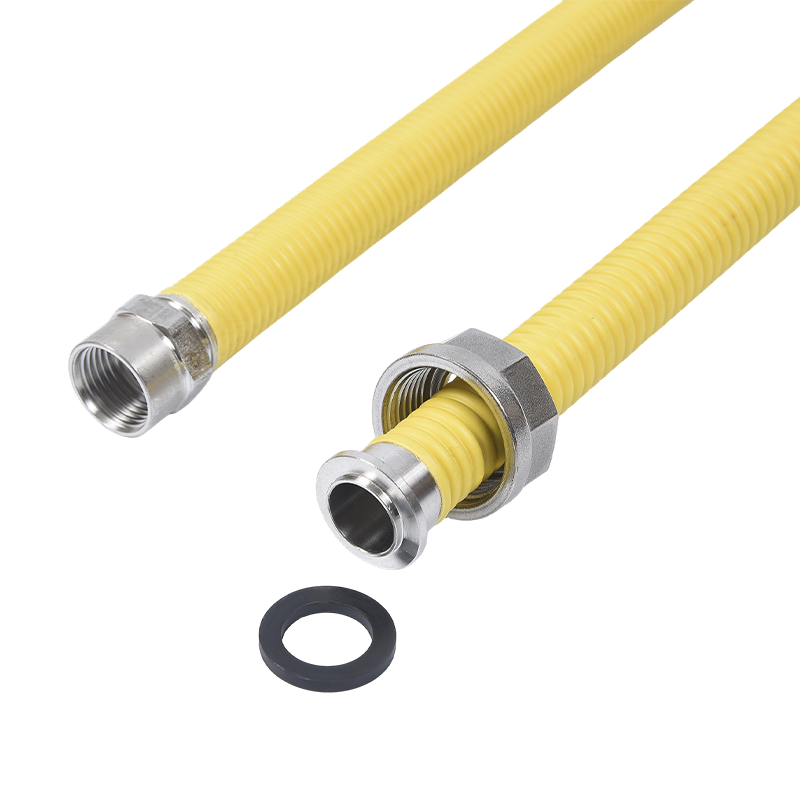
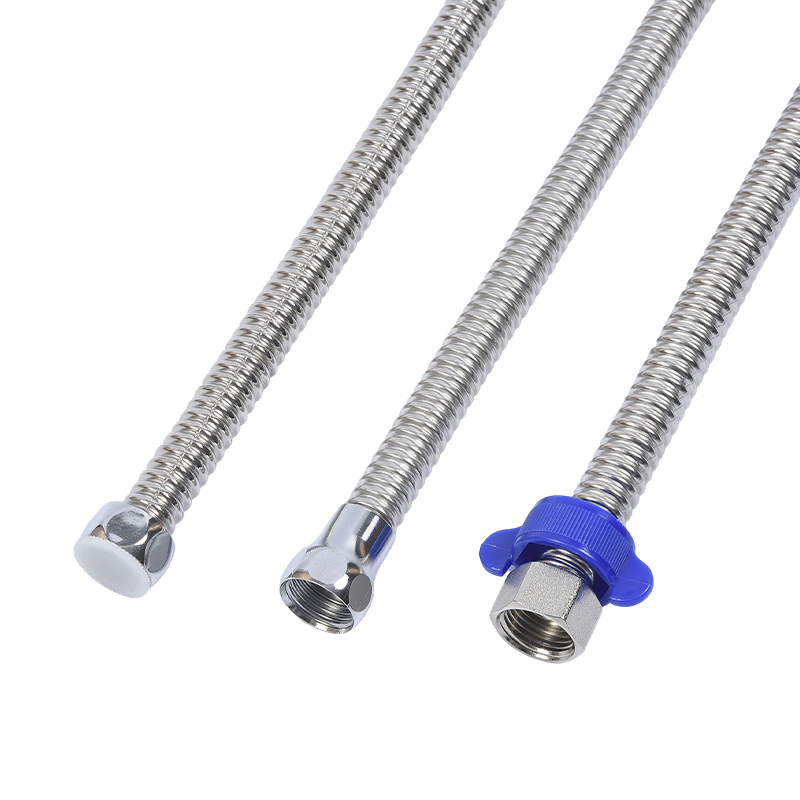

Constructed with a spiral corrugation design, this tube boasts remarkable resistance to corrosion, pressure, and mechanical forces. The intricate spiral structure not only adds strength but also ensur...
See Details
The stainless steel bathroom basin water heater pipe is a critical component designed to efficiently and safely deliver hot water to bathroom basins. It's primarily used in residential and commercial ...
See Details
The primary function of a stainless steel female thread straight connector is to connect two externally threaded components or fittings, enabling efficient fluid transfer within a piping system. It fe...
See DetailsWhich Stainless Steel Gas Pipe Should You Choose? For the majority of residential and light commerc...
READ MOREWhen a specification sheet for a stainless steel corrugated tube lists "1.4307" and you need to kno...
READ MOREStainless steel gas pipes are the preferred choice for transporting natural gas, propane, and other...
READ MOREQuick Answer: What to Know Before Installing Stainless Steel Gas Pipe Stainless steel gas piping — ...
READ MORE
Copyright © Yuyao Boli Pipe Industry Ltd. All Rights Reserved

 ++86-15867355556