Industry News
Content
For the majority of residential and light commercial installations, corrugated stainless steel tubing (CSST) in grade 304 stainless steel, sized between 1/2" and 1" EHD (Equivalent Hydraulic Diameter), is the most practical choice—it installs faster than rigid pipe, flexes around obstacles without extra fittings, and resists corrosion far better than black iron pipe. For coastal areas or environments with high humidity or chemical exposure, grade 316 corrugated stainless steel pipe is worth the extra cost due to its superior resistance to chloride-induced corrosion.
Rigid stainless steel pipe still has its place—particularly in exposed runs, commercial kitchens, or industrial settings where physical protection matters more than installation speed—but for most new construction and renovation projects, gas line CSST has become the default standard recommended by plumbers and gas fitters across North America.
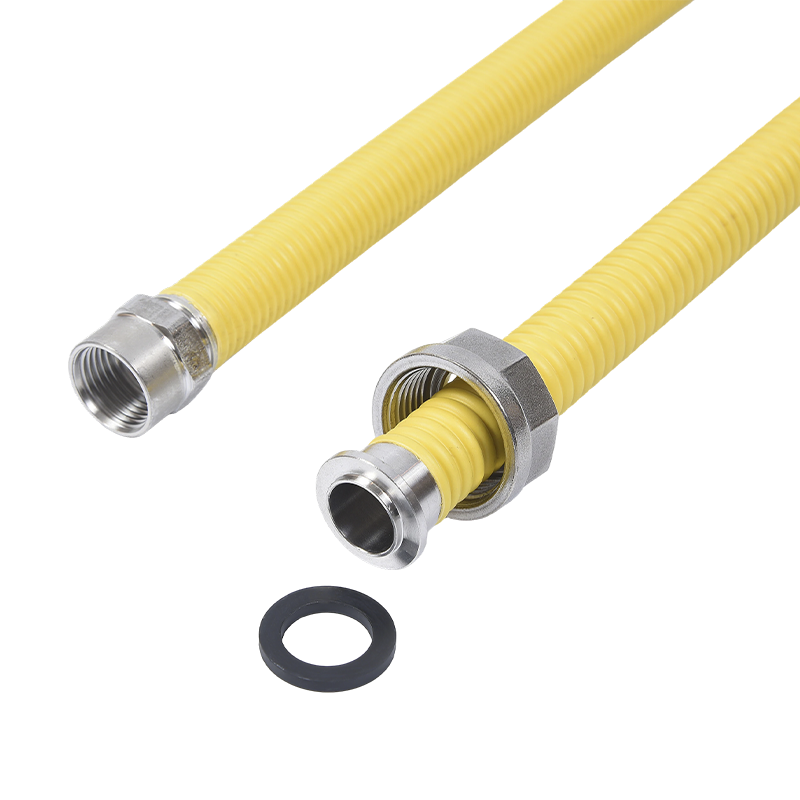
Corrugated stainless steel tubing is a flexible, ribbed gas tubing product designed to replace traditional rigid black iron or copper gas pipe in residential and commercial fuel-gas distribution systems. The corrugated (ribbed) wall design gives the tubing flexibility while maintaining structural strength, allowing installers to route gas lines around studs, joists, and other obstacles without cutting, threading, or welding multiple rigid pipe sections.
Rigid corrugated stainless steel pipe and standard pipe both carry natural gas or propane safely, but the installation method differs significantly. Rigid pipe requires threading, cutting to exact length, and multiple fittings (elbows, tees, unions) at every direction change. CSST, by contrast, comes in continuous coiled lengths—commonly 25, 50, 75, and 150 feet—and can be bent by hand to follow a path through a structure, drastically reducing the number of joints and potential leak points.
Grade selection affects long-term corrosion resistance, particularly for gas lines routed through damp basements, crawl spaces, or coastal regions.
| Property | Grade 304 | Grade 316 |
|---|---|---|
| Molybdenum Content | None | 2–3% |
| Chloride Resistance | Moderate | High |
| Best Use Case | Standard residential/indoor use | Coastal, humid, or corrosive environments |
| Relative Cost | Lower | 10–25% higher |
For most inland residential installations, grade 304 corrugated stainless steel tubing is fully adequate, since it's protected by an outer polymer jacket and rarely exposed directly to corrosive elements. However, for gas lines run near coastlines, in industrial facilities, or in areas with heavy salt air, upgrading to grade 316 corrugated stainless steel gas line products provides meaningful long-term protection against premature degradation.
Sizing errors are one of the most common—and most dangerous—mistakes in gas line installation. Undersized tubing restricts gas flow, causing appliances to underperform or fail to ignite properly, while oversized tubing wastes material and increases cost unnecessarily.
Unlike rigid pipe, which is sized by actual inside diameter, gas line CSST is sized using EHD, a number that represents the tubing's flow capacity relative to an equivalent rigid pipe—not its physical diameter. This means a CSST product labeled "EHD 18" does not have an 18-inch or even 18-millimeter diameter; it simply has flow characteristics comparable to a specific pipe size under standardized conditions.
| EHD Size | Typical Application |
|---|---|
| 13–15 | Single small appliances (water heater, dryer) |
| 18–23 | Furnaces, ranges, standard branch lines |
| 30–37 | Main trunk lines, multiple appliances |
| 48 and above | Commercial systems, high-BTU equipment |
Always size gas tubing based on the total BTU/hour demand of connected appliances, pipe run length, and number of fittings—not just on matching a previous pipe's nominal diameter. Manufacturers provide sizing charts (often based on standards like the National Fuel Gas Code, NFPA 54) that account for pressure drop over distance, and these charts should be consulted directly rather than estimated.
One requirement specific to corrugated stainless steel gas line systems—and frequently overlooked by DIYers—is electrical bonding.
Because corrugated stainless steel tubing has a thinner wall than rigid pipe, it can be more vulnerable to damage from indirect lightning strikes or electrical faults that travel through a building's grounding system. The National Electrical Code (NEC 250.52) and most CSST manufacturers require bonding the system to the electrical grounding system using a minimum of 6 AWG copper wire, connected as close as practical to the point where the gas line enters the building.
Always verify local code requirements before installation, since amendments to NFPA 54 and local jurisdictional rules can vary, particularly regarding bonding wire gauge and permitted installation locations.
Whether you're installing rigid stainless pipe or flexible CSST, following a consistent process reduces leak risk and ensures code compliance.
Map the full path from the gas meter or supply line to each appliance, noting all direction changes, wall penetrations, and appliance locations. This step minimizes wasted tubing and helps confirm the correct EHD size for each branch before purchasing materials.
Use a manufacturer-approved cutting tool designed specifically for corrugated stainless steel pipe—standard pipe cutters can crush the corrugations and compromise the seal. Cut cleanly between corrugation ridges, never through a ridge itself, and remove any burrs before attaching fittings.
Most CSST systems use a mechanical fitting that compresses around the tubing's corrugations rather than requiring threading. Always use fittings from the same manufacturer as the tubing—mixing brands voids most warranties and can create undetectable leak paths due to slight dimensional differences between systems.
Install steel striker plates wherever the gas tubing passes through a framing member within 1.5 inches of either face of a stud or joist, protecting it from accidental puncture by drywall screws, nails, or future renovation work.
Connect the bonding clamp and wire per manufacturer instructions and local code, attaching to the building's grounding electrode system—not just to a random metal object.
Before connecting any appliances, pressurize the system with air (typically 10–15 psi above operating pressure, per code requirements) and check every joint with a non-corrosive leak detection solution. Never use an open flame to check for leaks. Allow the system to hold pressure for the code-required duration (often 10–15 minutes minimum) with no measurable pressure drop before proceeding.
Even experienced installers occasionally run into avoidable issues with corrugated stainless steel tubing systems. The following mistakes account for a large share of post-installation leaks and code violations:
Understanding how stainless steel compares to legacy materials helps clarify why it has become the preferred choice for many modern installations.
| Factor | Stainless Steel (CSST) | Black Iron | Copper |
|---|---|---|---|
| Installation Speed | Fast | Slow (threading required) | Moderate |
| Corrosion Resistance | High | Low (rusts over time) | Moderate (not allowed for gas in some jurisdictions) |
| Flexibility | High | None (rigid) | Low |
| Number of Joints Needed | Low | High | Moderate |
Note that copper gas piping is restricted or banned in some jurisdictions for use with certain fuel gases, particularly where sulfur content in the gas can react with copper, so always confirm local code permissions before assuming copper is an acceptable alternative.
Choosing the right stainless steel gas pipe comes down to matching grade, size, and installation method to your specific project conditions. For most residential projects, 304 grade corrugated stainless steel tubing sized correctly by BTU demand—not guesswork—paired with proper bonding, striker plate protection, and a thorough pressure test, will deliver a safe, code-compliant, and long-lasting gas line. For coastal or high-corrosion environments, the modest upgrade to 316 grade CSST is a worthwhile investment in long-term reliability. Whatever system you choose, always verify compatibility between tubing and fittings, follow manufacturer bend radius specifications, and never skip the pressure test before bringing any gas line into service.
Constructed with a spiral corrugation design, this tube boasts remarkable resistance to corrosion, pressure, and mechanical forces. The intricate spiral structure not only adds strength but also ensur...
See Details
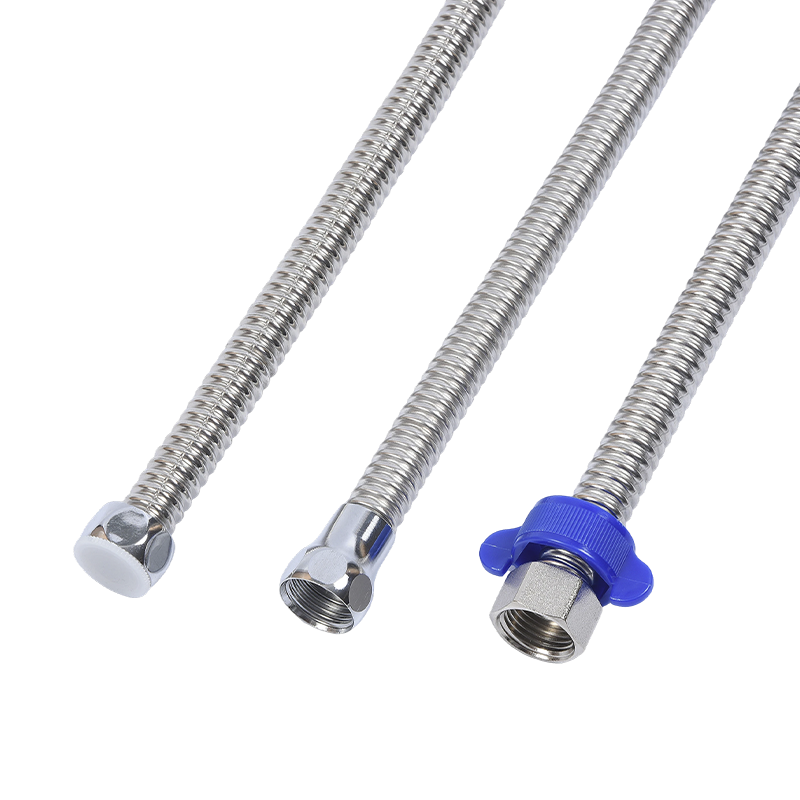
The stainless steel bathroom basin water heater pipe is a critical component designed to efficiently and safely deliver hot water to bathroom basins. It's primarily used in residential and commercial ...
See Details
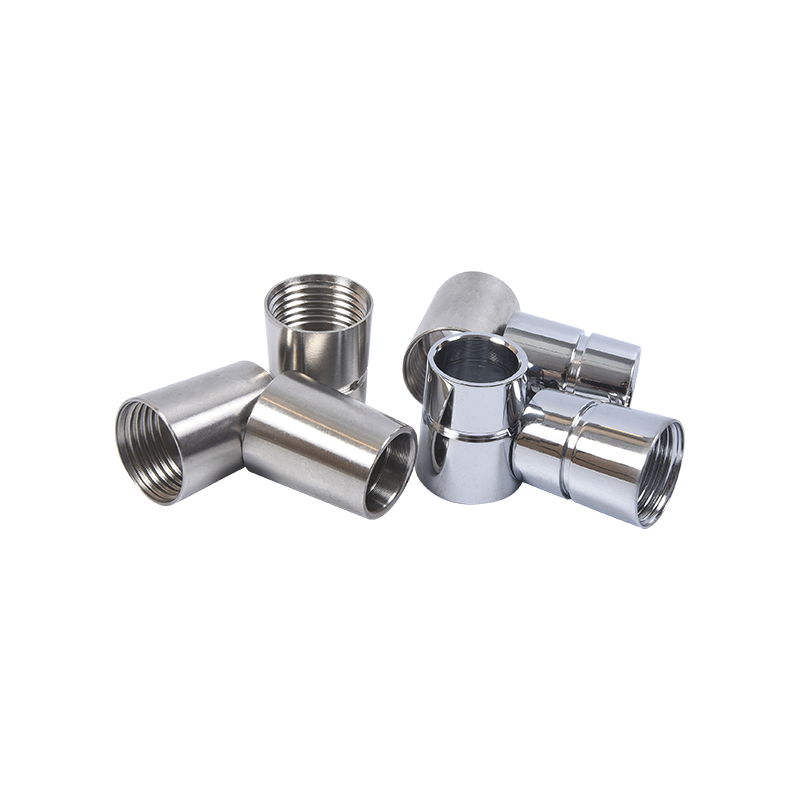
The primary function of a stainless steel female thread straight connector is to connect two externally threaded components or fittings, enabling efficient fluid transfer within a piping system. It fe...
See DetailsStainless steel gas pipes are the preferred choice for transporting natural gas, propane, and other...
READ MOREQuick Answer: What to Know Before Installing Stainless Steel Gas Pipe Stainless steel gas piping — ...
READ MOREWhat Makes a Stainless Steel Faucet a Good Choice? A stainless steel faucet, particularly one made ...
READ MOREQuick Answer: Choosing the Right Stainless Steel Gas Pipe Stainless steel gas pipes are corrosion-r...
READ MORECopyright © Yuyao Boli Pipe Industry Ltd. All Rights Reserved