Industry News
Content
Stainless steel gas pipes, particularly corrugated stainless steel tubing (CSST), have become a preferred solution for natural gas and propane distribution because they combine corrosion resistance, flexibility, and leak-resistant joint design. Industry testing shows that properly installed CSST systems reduce the number of field joints by up to 60% compared to rigid black iron pipe, directly lowering the number of potential leak points throughout a gas distribution system.
This safety advantage stems from a combination of material properties, installation flexibility, and modern code requirements such as bonding and grounding standards introduced after lightning-related incident research in the early 2000s.
Traditional black iron and galvanized steel pipes are vulnerable to internal and external corrosion over time, especially in humid environments or when exposed to soil moisture. Stainless steel gas pipe, typically manufactured from 304 or 316L grade alloy, resists rust and pitting far more effectively.
Stainless steel forms a thin, self-healing chromium oxide layer on its surface that protects the underlying metal from oxidation. This passive layer allows stainless steel gas pipe to maintain structural integrity for 50 years or more in typical residential and commercial installations, compared to significantly shorter service life for uncoated carbon steel pipe exposed to similar conditions.
Corrosion-related pinhole leaks are a leading cause of gas system failures in aging infrastructure. Because stainless steel resists the pitting corrosion mechanism responsible for most pinhole leaks, systems using stainless steel piping present a substantially lower long-term failure rate.
One of the most significant safety benefits of corrugated stainless steel tubing comes from its flexibility, which allows installers to route continuous pipe runs through walls, floors, and ceilings without multiple threaded or soldered joints.
Every mechanical joint in a gas piping system represents a potential leak point. Because CSST can bend around obstacles and travel long distances in a single continuous run, a typical residential installation may require only 2 to 4 joints per run, compared to 8 or more fittings needed for an equivalent rigid pipe installation navigating the same path.
The flexibility of stainless steel tubing also allows it to absorb building movement from settling, thermal expansion, or seismic activity without cracking or separating at joints — a known failure mode for rigid pipe systems during earthquakes.
Following research into CSST damage caused by nearby lightning strikes, national fuel gas codes now require proper electrical bonding for corrugated stainless steel tubing systems.
| Requirement | Purpose |
|---|---|
| Bonding to electrical grounding system | Prevents arcing between the pipe and ground during a lightning event |
| Minimum 6 AWG copper bonding conductor | Provides sufficient conductivity to safely dissipate electrical surges |
| Bonding within 6 feet of pipe entry point | Minimizes the length of unprotected pipe exposed to potential surge |
Studies conducted after code updates show that properly bonded CSST systems experience a dramatically lower incidence of lightning-related pipe punctures compared to unbonded installations, confirming that this code requirement is one of the most impactful safety measures in modern gas piping design.
Stainless steel gas piping is used across a wide range of residential, commercial, and industrial fuel gas applications where safety and reliability are paramount.
Even the safest piping material depends on correct installation to deliver its full safety benefits.
Homeowners and facility managers should schedule periodic inspections of exposed piping, bonding connections, and fittings, particularly after severe storms or any electrical system modifications, to confirm the safety systems remain intact.
Stainless steel gas pipes enhance safety in natural gas and propane systems through a combination of corrosion resistance, reduced joint count, and code-mandated electrical bonding that protects against lightning-related damage. When installed according to current code requirements and inspected regularly, stainless steel gas piping systems offer one of the most reliable and long-lasting solutions available for fuel gas distribution, making them a sound choice for both new construction and system upgrades in residential, commercial, and industrial settings.
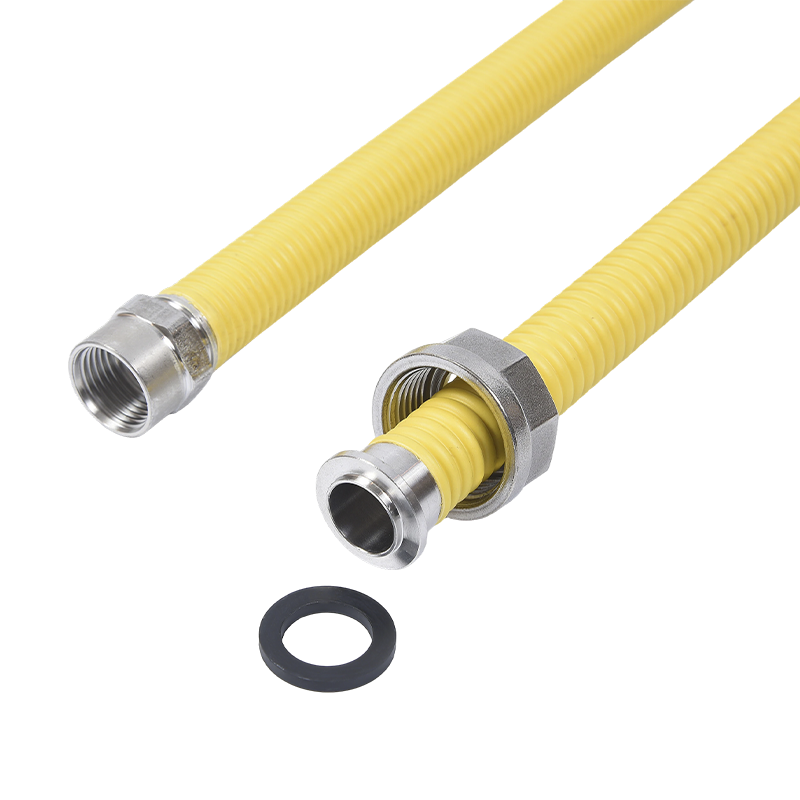
Constructed with a spiral corrugation design, this tube boasts remarkable resistance to corrosion, pressure, and mechanical forces. The intricate spiral structure not only adds strength but also ensur...
See Details
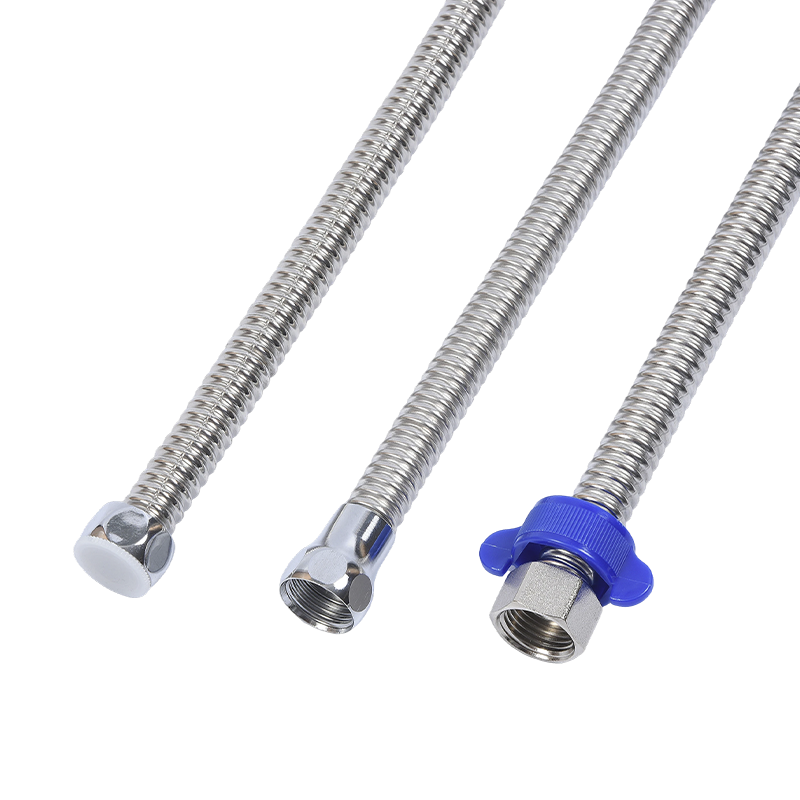
The stainless steel bathroom basin water heater pipe is a critical component designed to efficiently and safely deliver hot water to bathroom basins. It's primarily used in residential and commercial ...
See Details
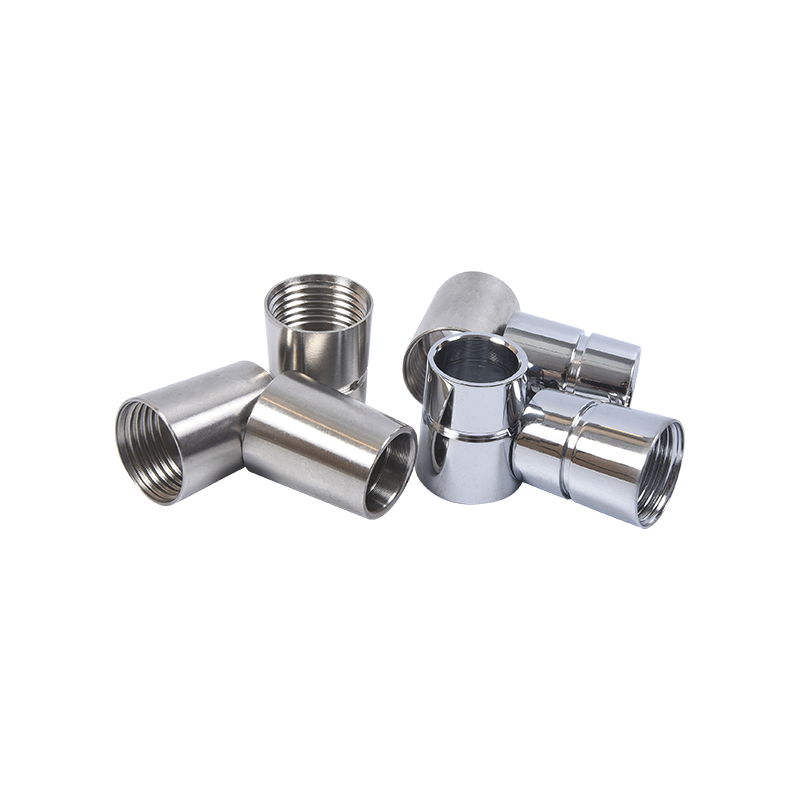
The primary function of a stainless steel female thread straight connector is to connect two externally threaded components or fittings, enabling efficient fluid transfer within a piping system. It fe...
See DetailsStainless steel gas pipes are the preferred choice for transporting natural gas, propane, and other...
READ MOREQuick Answer: What to Know Before Installing Stainless Steel Gas Pipe Stainless steel gas piping — ...
READ MOREWhich Stainless Steel Gas Pipe Should You Choose? For the majority of residential and light commerc...
READ MOREQuick Answer: Choosing the Right Stainless Steel Gas Pipe Stainless steel gas pipes are corrosion-r...
READ MORECopyright © Yuyao Boli Pipe Industry Ltd. All Rights Reserved