Industry News
Content
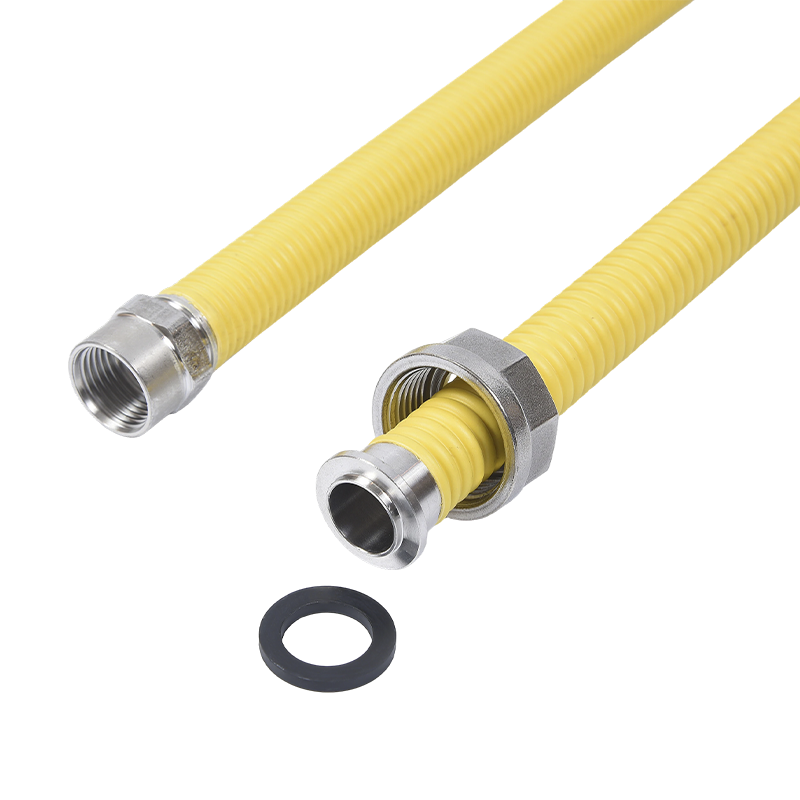
Stainless steel gas pipes are replacing traditional materials like black iron, copper, and galvanized steel primarily because they offer superior corrosion resistance, dramatically faster installation through flexible corrugated designs, and a longer service life with lower long-term maintenance costs. In practical terms, this means fewer leak points, less on-site labor, and a system that can last 30 years or more without the rust and thread-corrosion issues that shorten the life of older black iron systems.
The move toward stainless steel gas piping in both residential and commercial systems comes down to four consistent advantages:
None of these advantages exist in isolation — they compound over the life of the system, which is why stainless steel has moved from a niche, premium option to a mainstream default in new gas system design.
Black iron and galvanized steel pipes rely on a protective zinc coating or paint layer that degrades over time, especially at threaded joints where the coating is disturbed during installation. Once that protective layer fails, corrosion begins at the exposed steel, gradually thinning pipe walls and increasing leak risk.
| Material | Corrosion Resistance | Typical Service Life |
|---|---|---|
| Black Iron Pipe | Poor, rusts without coating protection | 15-25 years |
| Galvanized Steel Pipe | Moderate, coating degrades at joints over time | 20-30 years |
| Copper Pipe | Good, but vulnerable to certain soil and gas chemistries | 25-40 years |
| Stainless Steel Pipe | Excellent, chromium oxide layer self-repairs | 30-50+ years |
Stainless steel's corrosion resistance comes from its chromium content, which forms a thin, self-healing chromium oxide layer on the surface. Even if this layer is scratched during installation, it re-forms on exposure to oxygen, unlike galvanized coatings, which do not repair themselves once damaged. This single property explains why stainless steel systems consistently show lower leak rates over decades of service compared to coated steel alternatives.
Traditional black iron gas piping requires cutting, threading, and hand-tightening each joint with pipe dope or tape — a labor-intensive process where every joint is also a potential leak point. Corrugated stainless steel tubing (CSST) eliminates most of this labor by allowing a single continuous flexible run with far fewer fittings.
Rigid black iron piping systems rely on threaded joints that are strong under static load but prone to cracking or loosening when subjected to ground movement or vibration. This is a well-documented failure mode following seismic events, where rigid gas lines have historically been a source of post-earthquake gas leaks and fires.
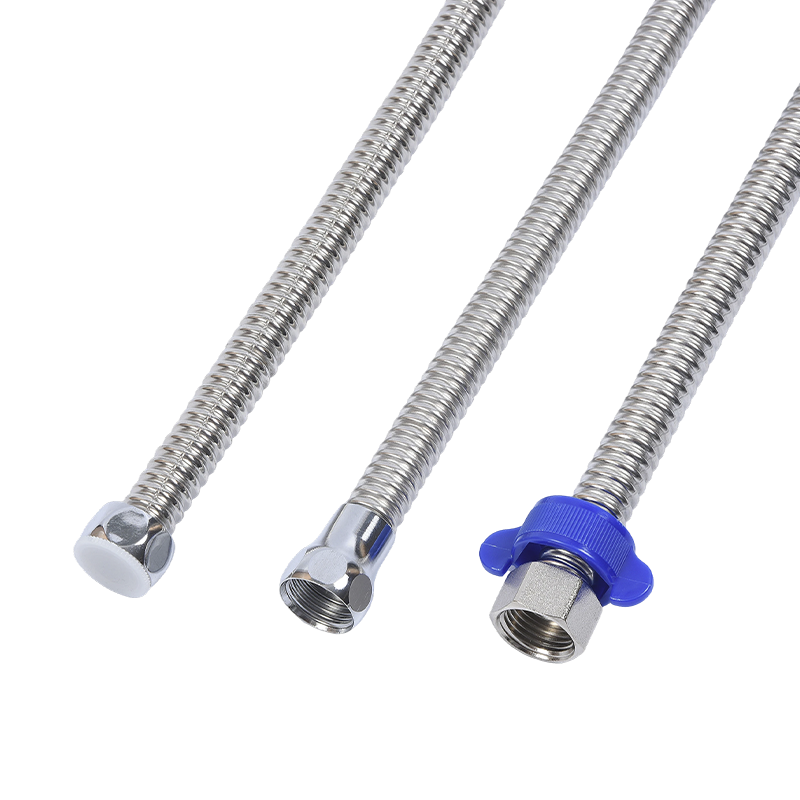
Flexible stainless steel gas piping absorbs movement along its corrugated profile rather than concentrating stress at rigid joints, which is a major reason building codes in seismically active regions increasingly favor or require CSST for new gas installations. When properly bonded and grounded per code, corrugated stainless steel gas pipe has become a standard tool for improving a building's resilience to ground movement without compromising gas system integrity.
Stainless steel gas pipe typically has a higher raw material cost per foot than black iron. However, once labor, fittings, and long-term maintenance are included, the comparison often favors stainless steel.
| Cost Factor | Black Iron Pipe | Stainless Steel (CSST) |
|---|---|---|
| Material Cost per Foot | Lower | Higher |
| Installation Labor | Higher, more fittings and cutting/threading time | Lower, fewer fittings, faster routing |
| Long-Term Maintenance/Leak Repair | Higher over time due to corrosion risk | Lower, reduced leak points and corrosion |
| Typical Total Installed Cost | Comparable or slightly lower for very simple runs | Often 10-20% lower for complex or obstacle-heavy runs |
Stainless steel is not universally the right choice in every scenario. Black iron pipe remains common and code-accepted for short, simple, straight runs where labor savings from flexibility offer little benefit, and where upfront material cost is the primary budget concern. Similarly, some jurisdictions still restrict or require additional bonding provisions for CSST, so local code requirements should always be confirmed before specifying a system.
Use this checklist to confirm stainless steel is the right choice for your project:
When corrosion resistance, installation speed, and long-term reliability are priorities, stainless steel gas pipe consistently outperforms traditional black iron and galvanized alternatives — which explains why it has become the material of choice in modern gas system design.
Constructed with a spiral corrugation design, this tube boasts remarkable resistance to corrosion, pressure, and mechanical forces. The intricate spiral structure not only adds strength but also ensur...
See Details
The stainless steel bathroom basin water heater pipe is a critical component designed to efficiently and safely deliver hot water to bathroom basins. It's primarily used in residential and commercial ...
See Details
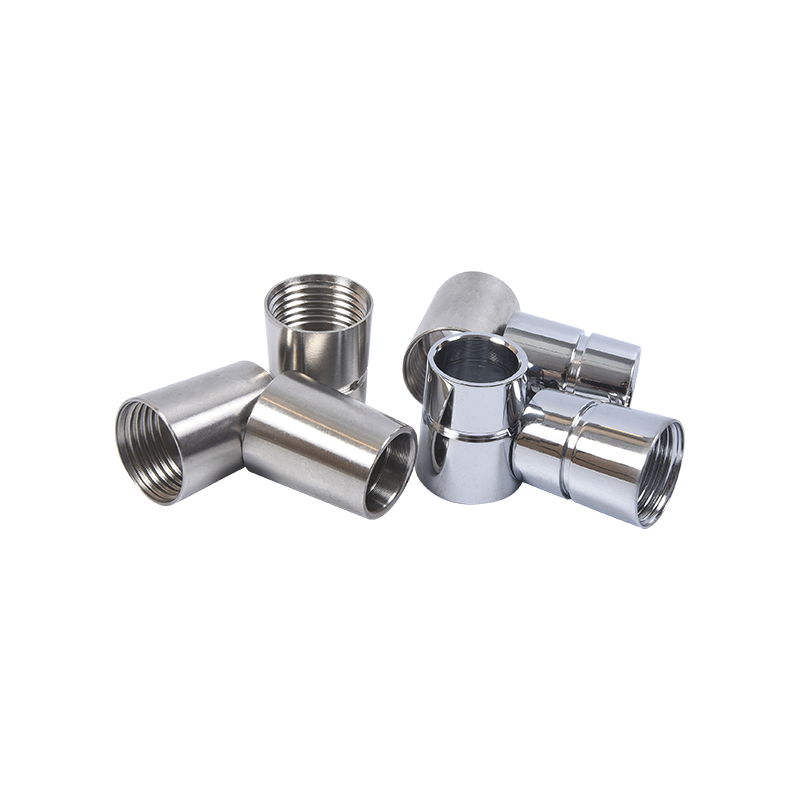
The primary function of a stainless steel female thread straight connector is to connect two externally threaded components or fittings, enabling efficient fluid transfer within a piping system. It fe...
See DetailsQuick Answer: Choosing the Right Stainless Steel Gas Pipe Stainless steel gas pipes are corrosion-r...
READ MOREStainless steel gas pipes are the preferred choice for transporting natural gas, propane, and other...
READ MOREStainless Steel Gas Pipes Significantly Improve Safety in Natural Gas and Propane Systems Stainless...
READ MOREQuick Answer: What to Know Before Installing Stainless Steel Gas Pipe Stainless steel gas piping — ...
READ MORECopyright © Yuyao Boli Pipe Industry Ltd. All Rights Reserved