

 English
 русский
 عربى
Industry News
Home / News / Industry News / Does Stainless Steel Rust? Key Causes, Grade Selection, and Prevention


Content
A building contractor unloads a batch of stainless steel corrugated pipes and notices orange-brown specks near the cut ends. A homeowner scrubs a newly installed kitchen sink and watches reddish stains appear on the drain flange. Both have the same question: does stainless steel rust? The direct answer is yes. Stainless steel is highly corrosion-resistant, not corrosion-proof. Rust develops when the protective chromium oxide film on the surface is damaged, starved of oxygen, or attacked by chlorides and contamination. Knowing exactly why this happens, which grades resist corrosion best, and how maintenance affects pipe life is essential for anyone specifying, buying, or installing stainless steel pipes and fittings.
Stainless steel earns its name from a thin, invisible chromium oxide layer that forms naturally when the surface is exposed to oxygen. This passive film blocks oxygen and moisture from reaching the iron underneath. When the film remains intact, rust does not form. When it breaks down and cannot repair itself, iron reacts with oxygen and water, producing the reddish-brown corrosion we call rust.
So the question is not whether stainless steel can rust, but under what conditions it does. Surface contamination, chloride exposure, oxygen deprivation, an inappropriate grade, and poor cleaning practices all contribute to premature corrosion. For a manufacturer of stainless steel gas and water connection products, these factors are part of routine material selection and quality control.
To understand rust prevention, look at the metallurgy. Stainless steel contains at least 10.5 percent chromium. Chromium has a strong affinity for oxygen; when a clean metal surface is exposed to air, chromium reacts to form a compact chromium oxide layer only a few atoms thick. That layer is self-healing under normal conditions. If you scratch a stainless steel surface, the exposed chromium reacts with oxygen in the air and regenerates the protective film within a short time.
This self-repair mechanism depends on a constant supply of oxygen. In tight crevices, under gaskets, beneath dirt deposits, or inside fully enclosed pipe sleeves, oxygen levels can drop below what the passive layer needs to regenerate. Once that happens, the oxide film thins locally, and corrosion begins.
Rust on stainless steel is rarely a material defect. In most cases, it traces back to one of five identifiable causes.
Chlorides, found in seawater, road salt, pool chemicals, and household cleaners, are the most aggressive enemy of stainless steel. Chloride ions attack weak points in the oxide film and create localized pits. Pit chemistry then becomes acidic, accelerating the attack. This is why 304 stainless steel, fine for dry indoor use, can fail within months near the coast unless a higher-grade alloy is used.
Steel tools, grinding wheels, and nearby cutting work can embed ordinary carbon steel particles into stainless steel. Those particles rust on contact with moisture, and the rust spreads as brown streaks and discoloration. This problem is common at fabrication shops and construction sites, and it often explains rust-like stains on newly installed stainless steel pipes.
Crevice corrosion occurs when water and chlorides penetrate a narrow gap, such as the space between a pipe and a clamp, and the oxygen inside the gap is quickly consumed. Because the protective film cannot regenerate, corrosion progresses hidden from view until the pipe fails.
The 304 grade is the most common stainless steel, but it contains no molybdenum, which limits its chloride resistance. The 316 grade adds 2 to 3 percent molybdenum, improving resistance to pitting and crevice corrosion. The 316L variant has even lower carbon, reducing weld-decay risk in welded tubing. Grade selection depends on the environment: for basic indoor water lines, 304 is often enough. For coastal installations, food processing, or chemical exposure, 316 or 316L is the safer choice.
Abrasive pads, steel wool, wire brushes, and chloride-heavy cleaners scratch the surface and strip the protective layer. Acidic cleaners left to dry on stainless steel also leave corrosive deposits. Cleaning with the wrong tools is an avoidable source of rust on appliance connectors and plumbing fittings.
When selecting stainless steel for pipes and fittings, the grade affects corrosion resistance and cost. The table below summarizes the practical differences.
| Property | 304 Stainless Steel | 316/316L Stainless Steel |
|---|---|---|
| Chromium content | 18% | 16-18% |
| Nickel content | 8-10.5% | 10-14% |
| Molybdenum content | None | 2-3% |
| Chloride resistance | Good for indoor use | Excellent for coastal and chemical environments |
| Typical applications | Indoor water and gas connections | Marine, food processing, high-humidity areas |
For a manufacturer producing both 304 and 316L products, this distinction matters directly to the buyer. A 304 gas stove connector is perfectly adequate for a dry kitchen cabinet. A 316L flexible natural gas hose, such as the 316L corrugated flexible natural gas hose for kitchen use, offers extra margin for kitchens exposed to salty air, humidity, or cleaning chemicals. The grade should match the environment, not just the budget.
 Wholesale Natural Gas Corrugated Hose Factory, SuppliersYUYAO BOLI PIPE INDUSTRY LTD. is China natural gas corrugated Hose factory and wholesale corrugated flexible natural gas hose suppliers, ...View Product →
Prevention is more cost-effective than repair, especially for pipes embedded in walls or connected to gas lines.
Specify the grade for the actual environment. Indoor dry areas can use 304-class steel. Marine, coastal, industrial, or chloride-prone environments call for 316 or 316L. Near the ocean, a molybdenum-bearing grade is worth the investment.
Do not let stainless steel pipes contact carbon steel tools, grinding dust, or wire brushes used on plain steel. If cross-contamination occurs, clean the surface promptly. For pipe ends cut on site, deburring and light passivation restore the protective layer.
Pipe clamps, supports, and sleeves should not trap water against the stainless surface. The gap between a pipe and a rubber gasket is a classic site for crevice corrosion. For gas lines embedded directly in walls, choose a product made for concealed installation, such as the 304 stainless steel corrugated buried wall gas tube, which keeps moisture away in enclosed spaces.
Wholesale 304 Stainless Steel Corrugated Buried Wall Gas Tube Factory, SuppliersYUYAO BOLI PIPE INDUSTRY LTD is China wholesale 304 Stainless Steel Corrugated Buried Wall Gas Tube suppliers and factory, details:Design...View Product →
Clean stainless steel with mild detergents, warm water, and a soft cloth, wiping in the direction of the grain. Rinse thoroughly and dry. Avoid bleach, hydrochloric acid-based cleaners, and abrasive pads. For stubborn stains, a commercial stainless cleaner or dilute citric acid solution is safer than wire wool.
In coastal buildings, industrial kitchens, or outdoor installations, inspect stainless surfaces several times a year. Early staining is often removable; deep pitting is not. If a gas or water connector shows stress corrosion cracking, replace it immediately rather than attempting a repair.
At the manufacturing level, these same principles guide fabrication and quality checks. A manufacturer that controls raw material grades, avoids carbon steel contact during production, and performs proper surface treatment delivers pipes that keep their passive layer intact in service. Products such as the 304 stainless steel universal cold and hot explosionproof corrugated pipe are designed for exactly this type of cold and hot water connection.
Wholesale 304 Stainless Steel Universal Cold And Hot Explosion-Proof Corrugated YUYAO BOLI PIPE INDUSTRY LTD is China wholesale 304 Stainless Steel Universal Cold And Hot Explosion-Proof Corrugated Pipe suppliers and ...View Product →Not all rust on stainless steel means the material has failed. Light surface staining from embedded carbon steel particles can often be removed. Follow these steps:
If the rust is localized and superficial, the chromium oxide layer will re-form naturally once the contamination is removed. If rust has produced visible pits, those pits are permanent sites where the passive layer will continue to break down. In pressure-bearing applications such as gas lines or hot water pipes, pitted components should be replaced. This is not a mark against stainless steel; it is a normal decision for any metal in an aggressive environment.
For anyone planning a new installation, the lesson is straightforward. Ask about the grade, check the surface condition on delivery, and keep the installation clean. Corrugated stainless steel tubing has strong safety advantages in gas distribution, but its lifespan depends on the same principles of grade selection and maintenance. If you are ordering pipe products in volume, work with your supplier to match grade and finish to the actual installation environment.
Stainless steel rusts when its chromium oxide layer is overwhelmed, damaged, or starved of oxygen. It does not rust simply because it is stainless steel. The practical question for any buyer, installer, or specifier is not merely "does stainless steel rust," but "which grade, in which environment, and with what maintenance." Answer those three things correctly, and stainless steel pipes, gas connectors, and fittings will deliver the long service life they are known for.
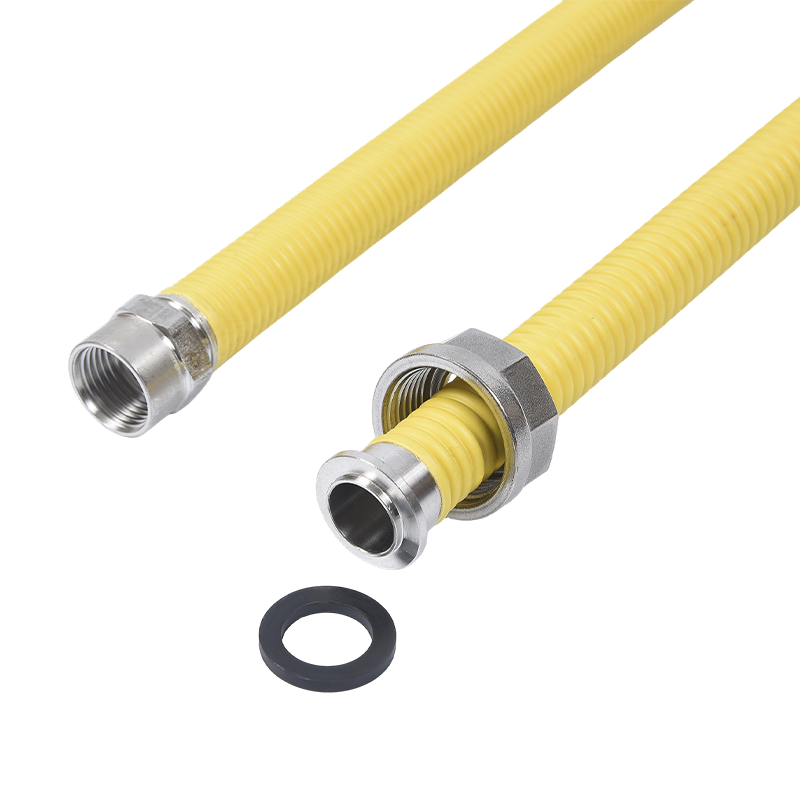
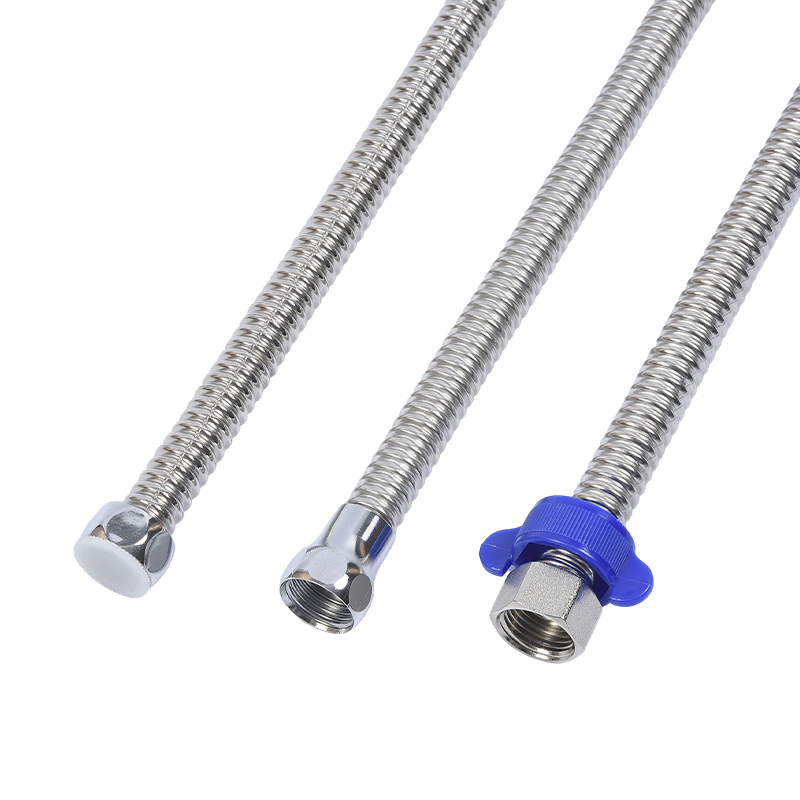

Constructed with a spiral corrugation design, this tube boasts remarkable resistance to corrosion, pressure, and mechanical forces. The intricate spiral structure not only adds strength but also ensur...
See Details
The stainless steel bathroom basin water heater pipe is a critical component designed to efficiently and safely deliver hot water to bathroom basins. It's primarily used in residential and commercial ...
See Details
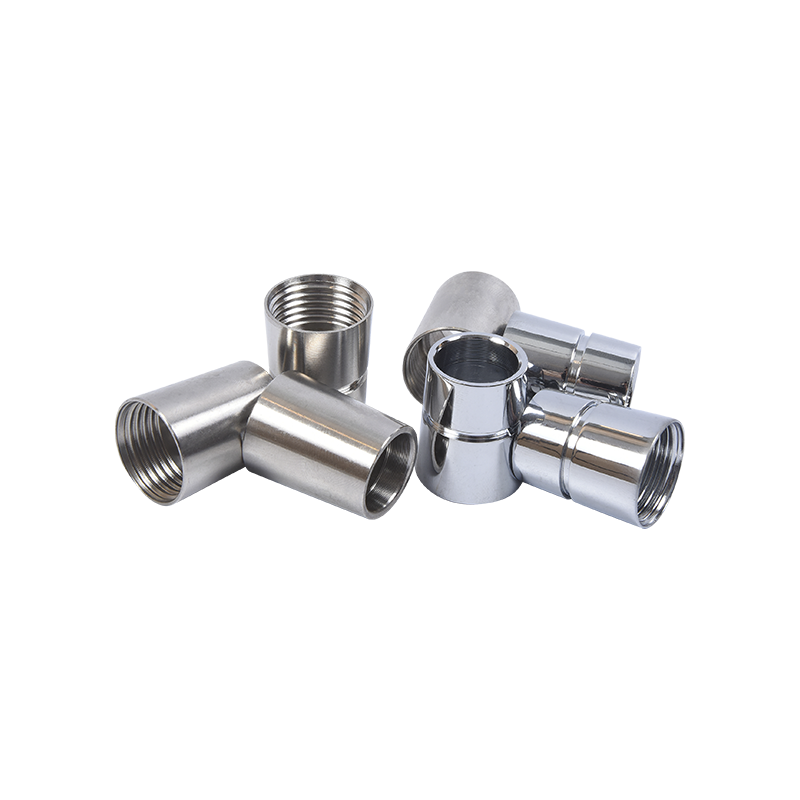
The primary function of a stainless steel female thread straight connector is to connect two externally threaded components or fittings, enabling efficient fluid transfer within a piping system. It fe...
See DetailsWhich Stainless Steel Gas Pipe Should You Choose? For the majority of residential and light commerc...
READ MORETwo months after a batch of 304 stainless steel bellows were installed in a coastal hotel, small br...
READ MOREWhat Makes a Stainless Steel Faucet a Good Choice? A stainless steel faucet, particularly one made ...
READ MOREQuick Answer: What Determines the Quality of a Stainless Steel Faucet The quality and longevity of ...
READ MORE
Copyright © Yuyao Boli Pipe Industry Ltd. All Rights Reserved

 ++86-15867355556